
- Language :


The Voice of the Wood in the Churches of Chiloe
While the congregations of Chiloé's communities express themselves with prayers and hymns, the churches let the wood do the talking, allowing it to showcase its material virtues, its dialogues with the landscape, local history, and the commitment of families.
From the very fibers of the wood, imbued with a certain poetry, emerges a text that seeks to reveal aspects not addressed in conventional studies of the churches of Chiloé. At times reflective, at other times accusatory in tone.
It begins by posing a reflection on the geographical, historical, and cultural context of Chiloé, which must confront the profound changes brought by modernity and the extractivist model. Its island condition and chronic historical neglect have rendered Chiloé a defenseless territory, akin to an oxygen tank being inexorably depleted.
The text then delves into the celebration of a faith elevated to the category of architecture, unearthing the attributes of an architectural expression deeply rooted in the spirit of the archipelago’s inhabitants, who seem to walk through life more assuredly in its presence.
It also ventures an approach to the intervention criteria for these already consecrated structures, aiming to share a number of pioneering experiences. In this regard, it outlines the innumerable factors and diverse variables that influence decision-making on the long path preceding each intervention.
Finally, the text stands as a tribute to the unique family of Chilote churches, intimately associated with the community that gives them life. Reading these pages will contribute to a greater understanding of these temples, to their recognition, and, as a reward, to their revitalization.
Key points
• An exquisite edition with superb craftsmanship and attractive design, conceived to become a standout volume in any library.
• A timeless work that addresses permanent and structural phenomena, ensuring its long-term relevance and shielding it from any premature obsolescence.
• Its recent release makes it a hidden gem, perfect for readers interested in heritage architecture and wood construction.
- Author: Antonio Sahady and Constantino Mawromatis
- Illustrator: Carlos Hevia (cover)
- Publisher: Pehuén Editores
- Collection:
- Year: 2024
- Pages: 224
- Size: 21.5 x 27.9 cm
- Sold In: Spanish (CHI)
- ISBN: 9789561608948
- Category:
Adultos
- Type : Illustrated book, Informative book, Essay
- Genre : Non-fiction
- Binding : Hardcover


You may also like

At this same time

Black Anger

Antarctic Journal
Fidrik
Born Under Ground

There and Back
Until She Goes No More
The Great Race

Dream of Shadow
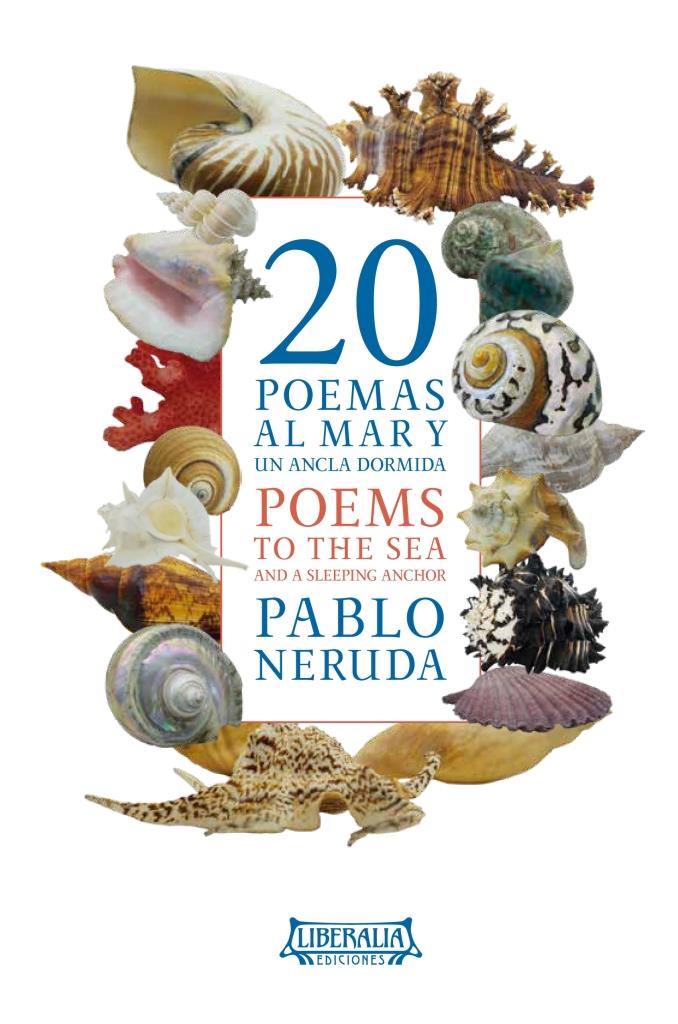
20 Poems to the Sea and a Sleeping Anchor
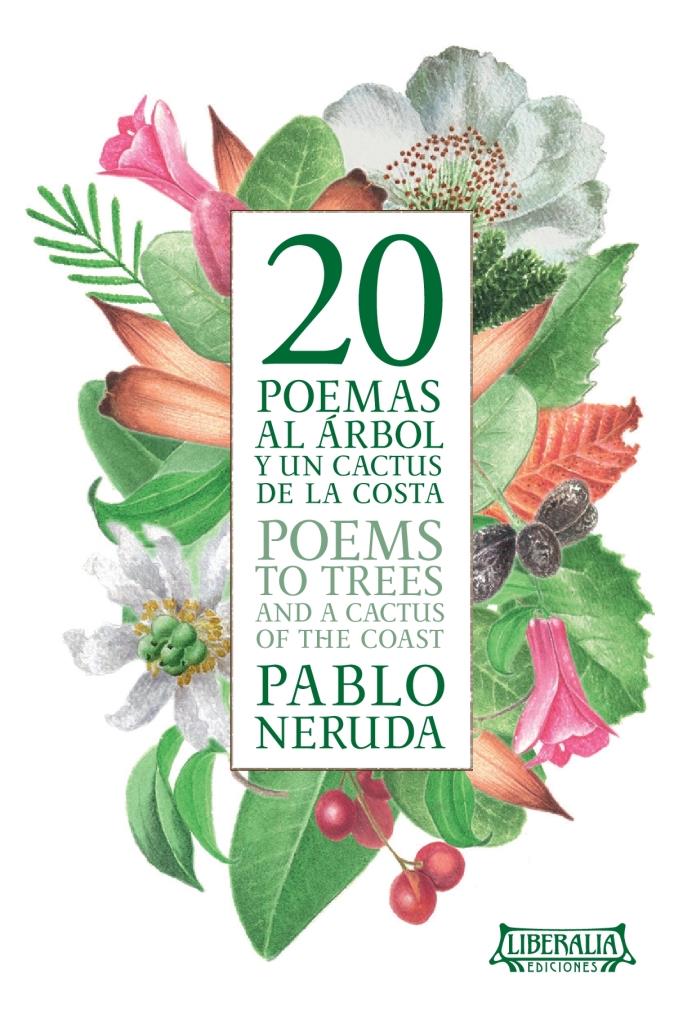
20 Poems to the Trees and a Cactus of the Coast
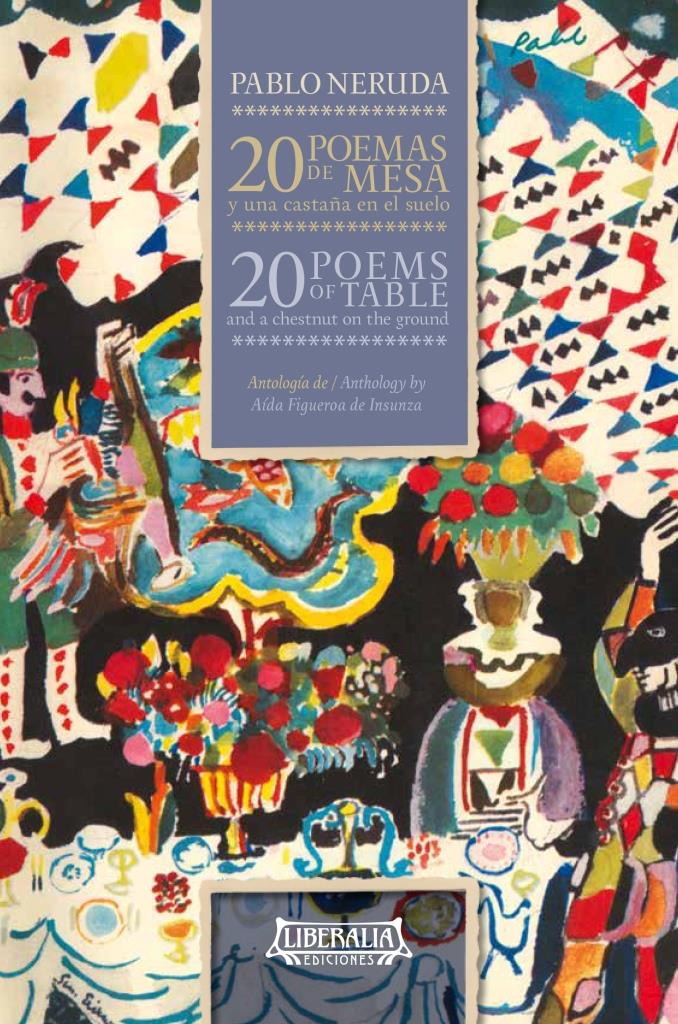
20 Poems of Table and a Chestnut on the Ground
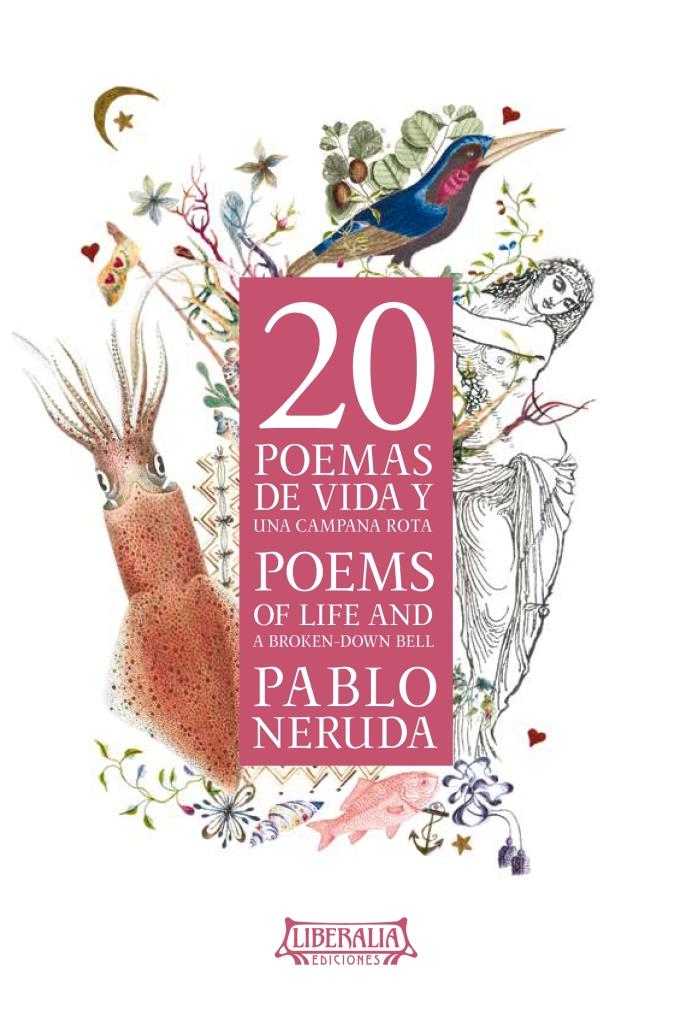
20 Poems of Life and a Broken Down Bell
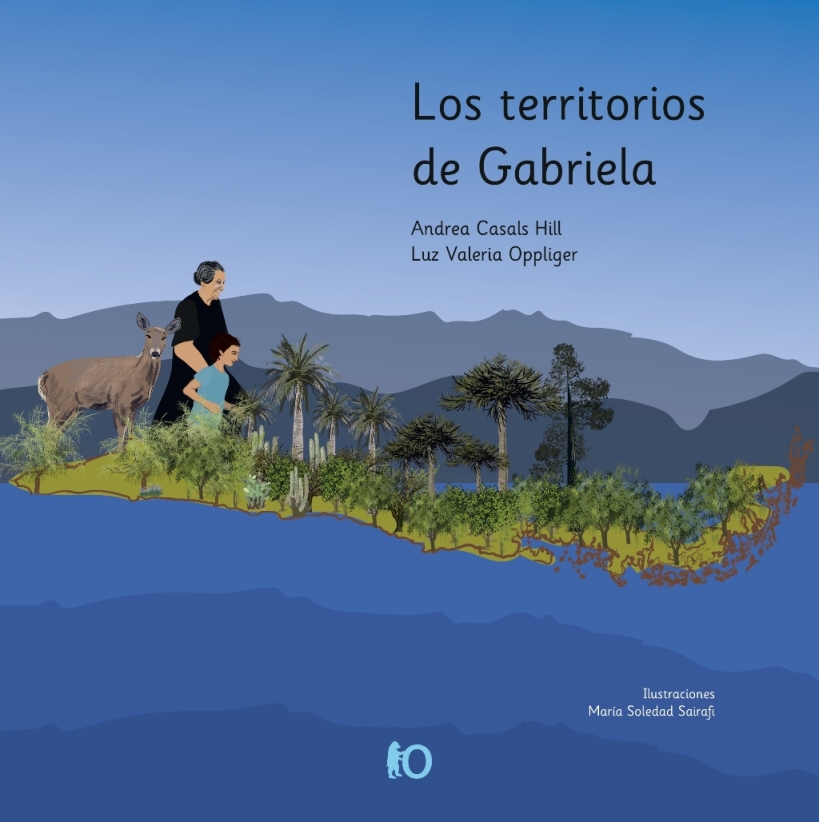
Gabriela’s Territories

What the Seashell Keeps

Little Red Riding Hood (First Dream)

The Skeleton Ship
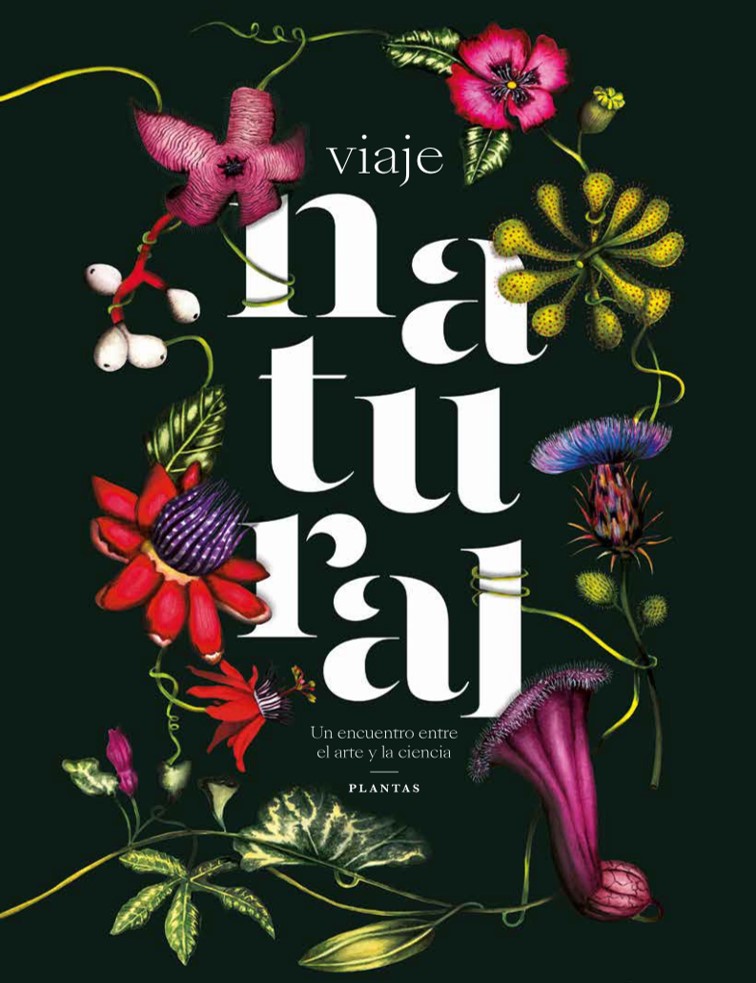
Natural Journey. A Place Where Arts and Science Meet

In the Shadow of the Jacaranda

Samurai

Borges' Treason

Drawings of Hiroshima

Captive
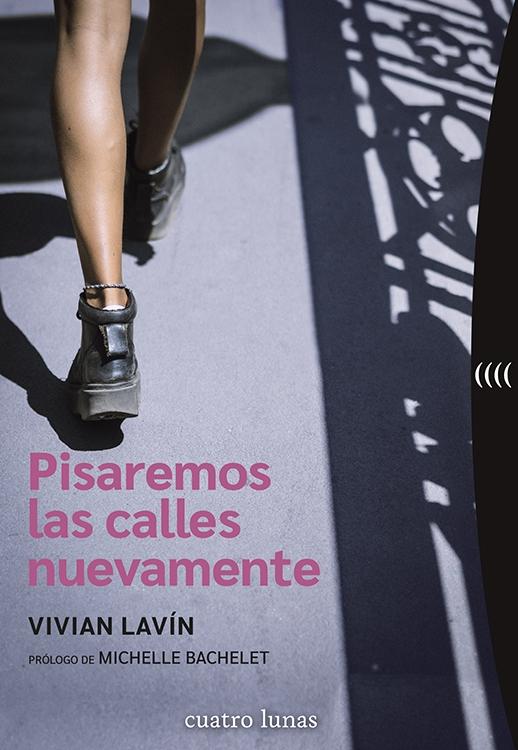
We Will Step on the Streets Again

Pagan Patagonia

The Marias

Familiar Setting

Sara

The Woman in the River
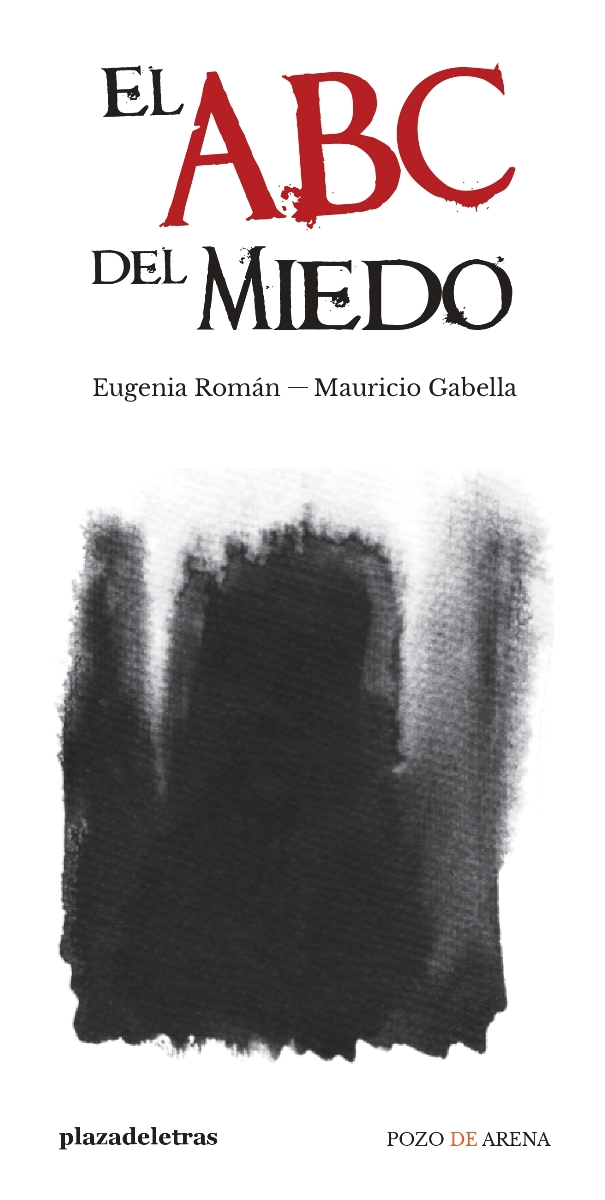
The ABC of Fear

Patriots

Flowers for a Cyborg

The Sea and the Serpent

Florence, The Disobedient

The Night of Nevermore

Extinct

The Wind's Mail

A Love of Clones
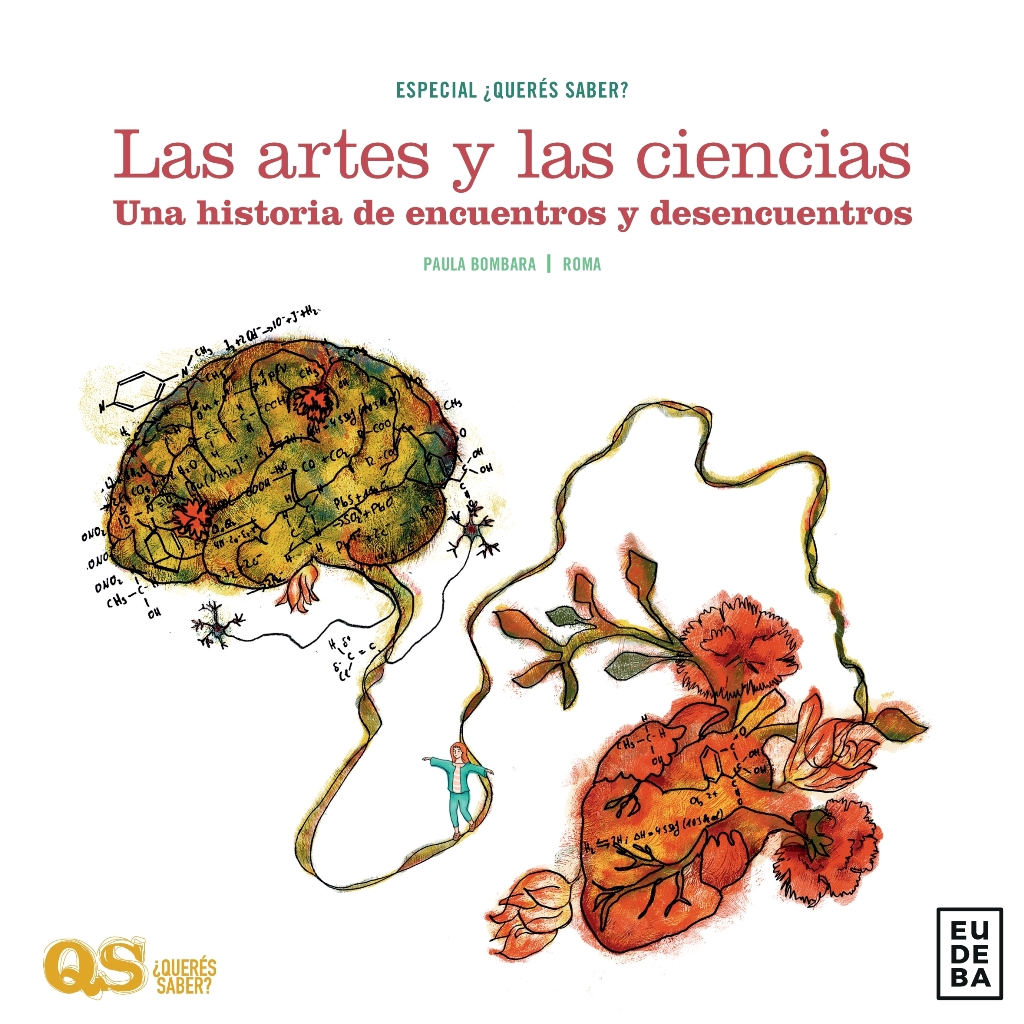
The Arts and the Sciences. A Story of Encounters and Disagreements

Road Closed Ahead

How to Be an Elegant Woman?