
- Language :


Pretty
A clever and humorous reinterpretation of the classic Ugly Duckling, exploring with sharp criticism and enormous empathy the longing to be seen for who one truly is.
Ever since she hatched from an egg considered “strange,” the protagonist of this story has been singled out by everyone as the “ugly duckling.” Frogs, snails, dogs, and dragonflies concoct the most absurd theories to explain her difference. Faced with this chorus of misunderstanding, she maintains, with serene certainty, the only logical explanation: “The thing is, I’m not a duck.” Yet her voice is systematically ignored. And so she grows up in an environment determined to “normalize” and “fix” her—until the day her true nature finally breaks through.
In a world that judges her, Pretty stands as a character of unshakeable conviction. The animals represent the mosaic of social prejudices, while the teachers symbolize institutions that, even with good intentions, pathologize difference.
A powerful social critique of the pressure to fit in and the intolerance toward diversity. But above all, it is a moving plea for self-determination and the search for a place where one can finally be recognized for who they truly are.
Key points
• It maintains the structure of the classic tale but with a clever twist and plenty of dark humor.
• It defends identity as something intrinsic and personal, not something for others to diagnose or “correct.”
• The illustrations and visual style bring a contemporary, sharp tone layered with meaning.
• An exceptional tool for discussing acceptance, respect for diversity, empathy, the importance of listening, and society’s role in confronting prejudice.
- Author: Andrés Kalawski
- Illustrator: Joaquín Cociña
- Publisher: Muñeca de Trapo
- Collection: Voces en el horizonte
- Year: 2025
- Pages: 64
- Size: 17.3 x 23 cm
- Sold In: Spanish (CHI)
- ISBN: 9789569829864
- Category:
Infantil
- Type : Illustrated book, Classic
- Genre : Fiction
- Binding : Hardcover


You may also like
Wearing Astronauts Boots
To See the Sea

Reflections

The Invisible Story

Balam and Lluvia’s House
Me, a Sustainable Promoter
I Want to Ride Without Stabilisers!
The Secrets of the Foye
This is Very Strange
The Island of Lost Letters
My Bookshop and I
Punta and Tunta. And their Journey to the very Top of the Food Chain
Mr. Morrison’s Journey
Path to You
The M Family and +
The Witch of a Thousand Pixels
What Goes Away
For You to Arrive
My Pet
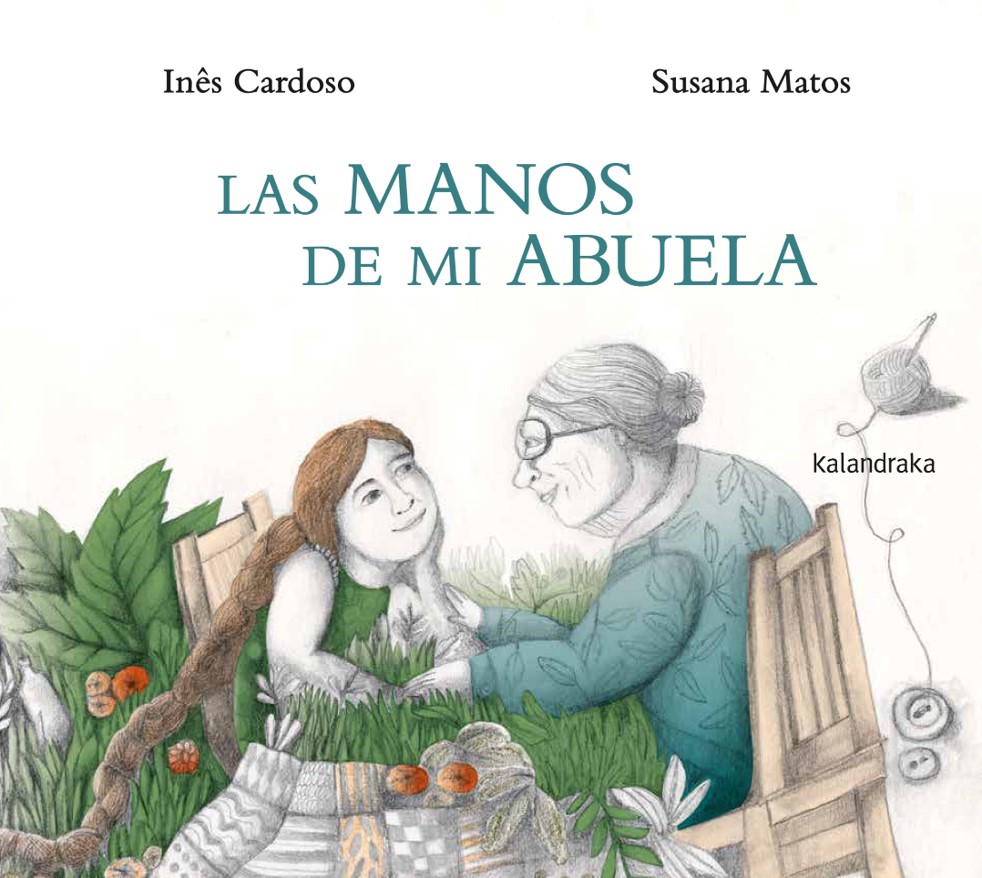
My Grandmother’s Hands
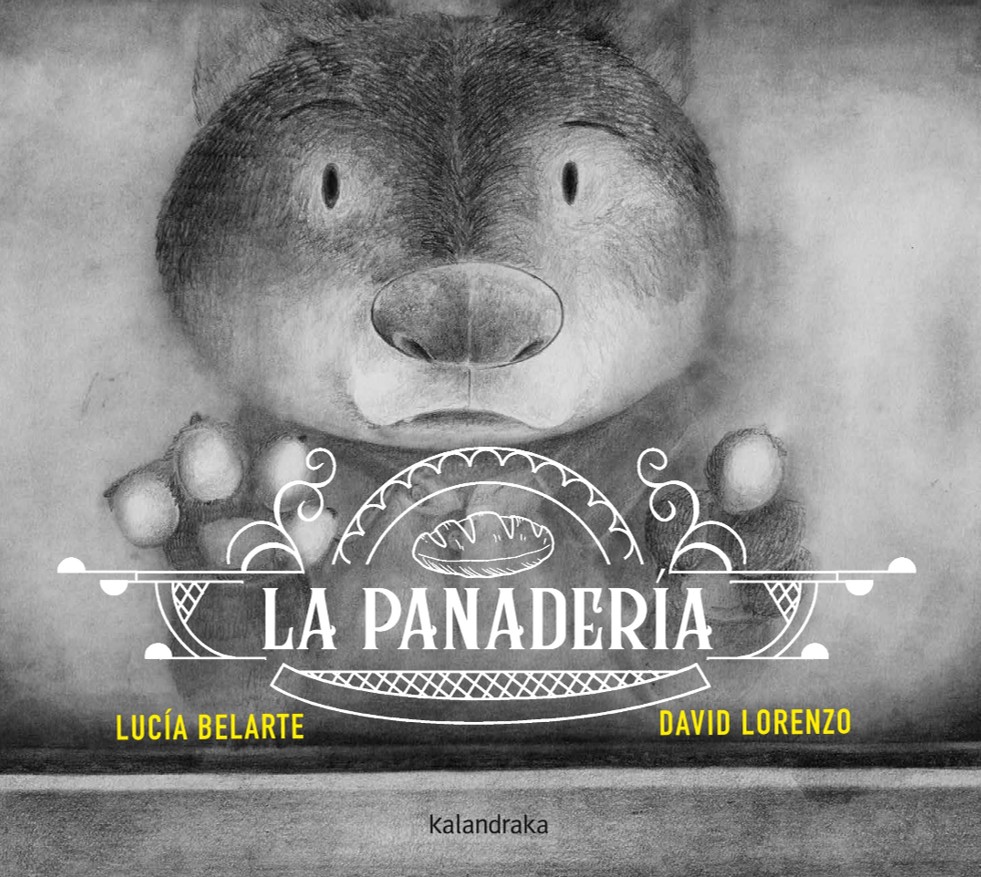
The Bakery
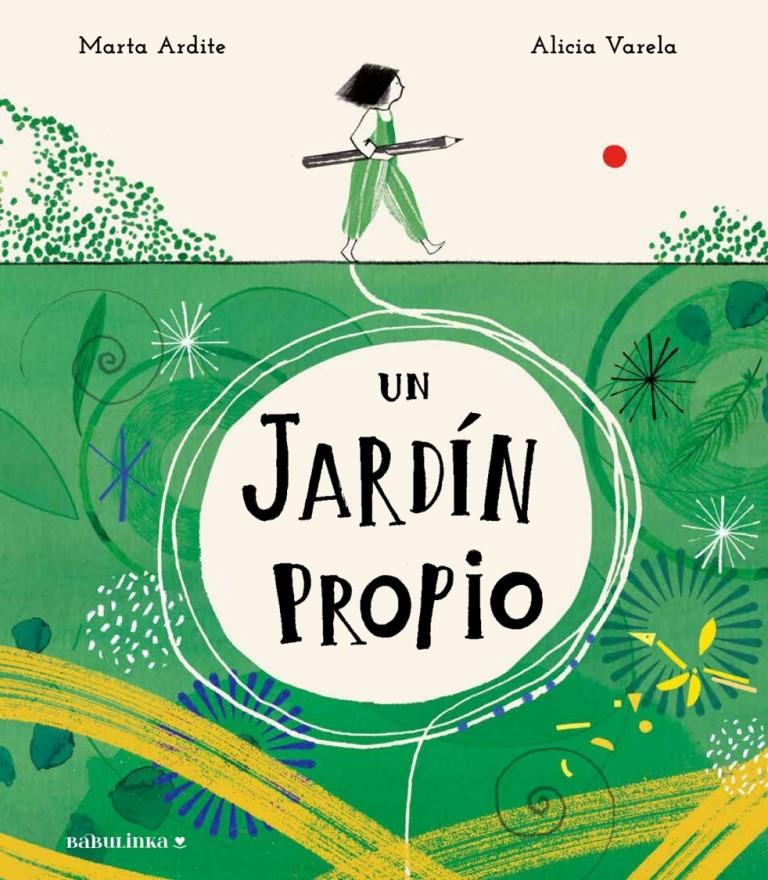
A Garden of Your Own
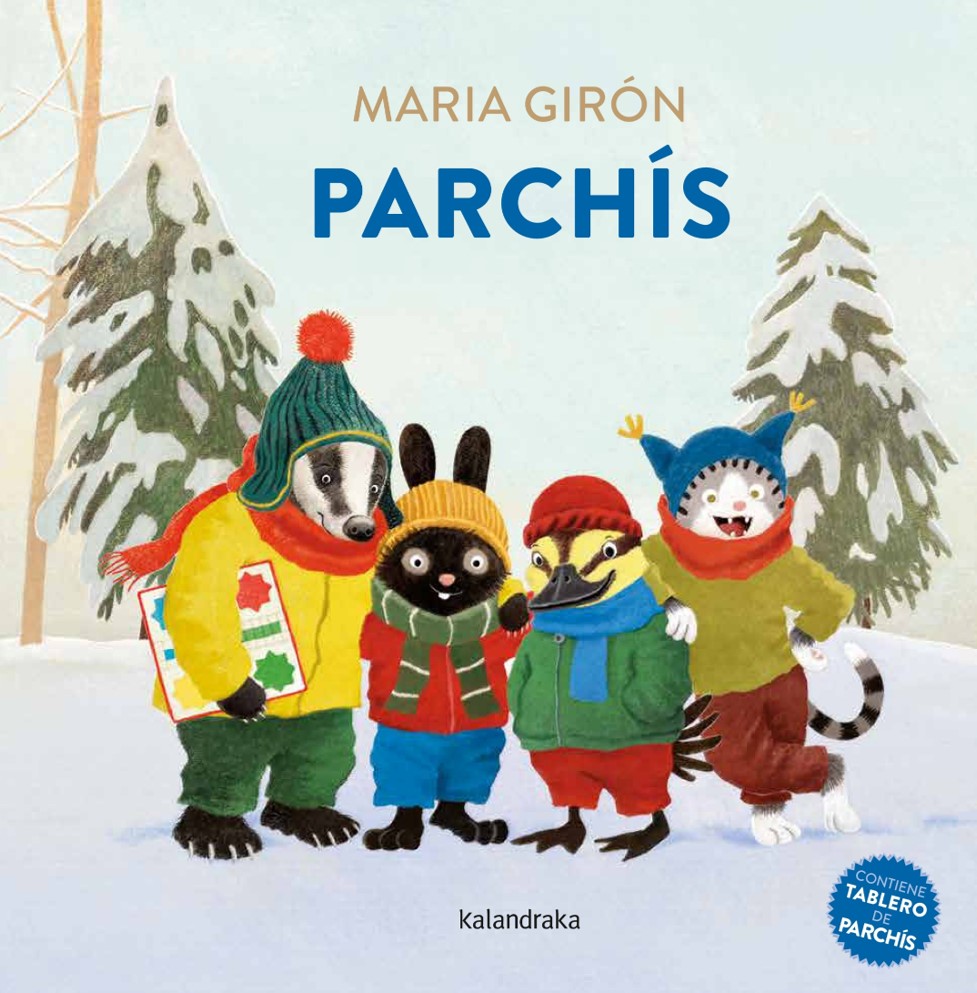
Parcheesi
A Great, Great Party
The Boat Maker
A Costume Party
Big and Small
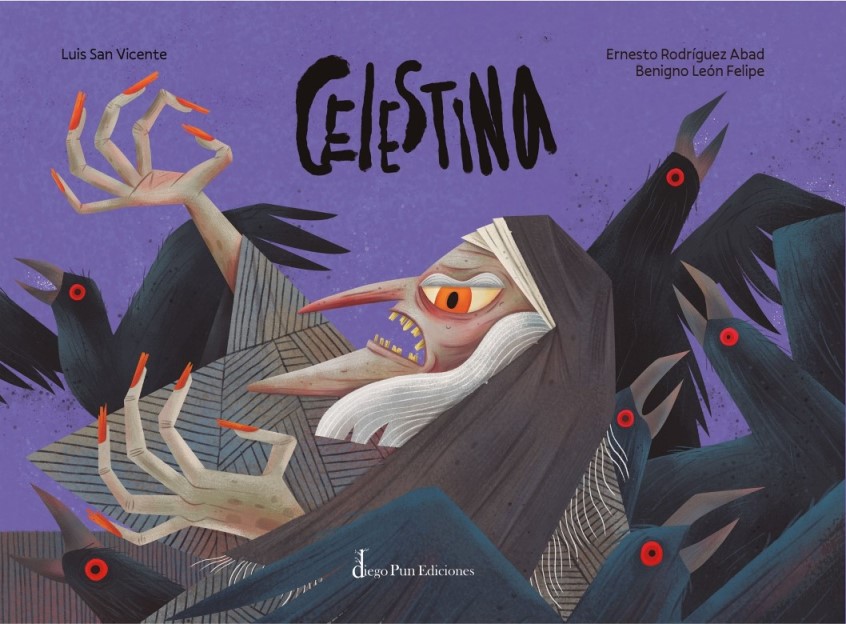
Celestina
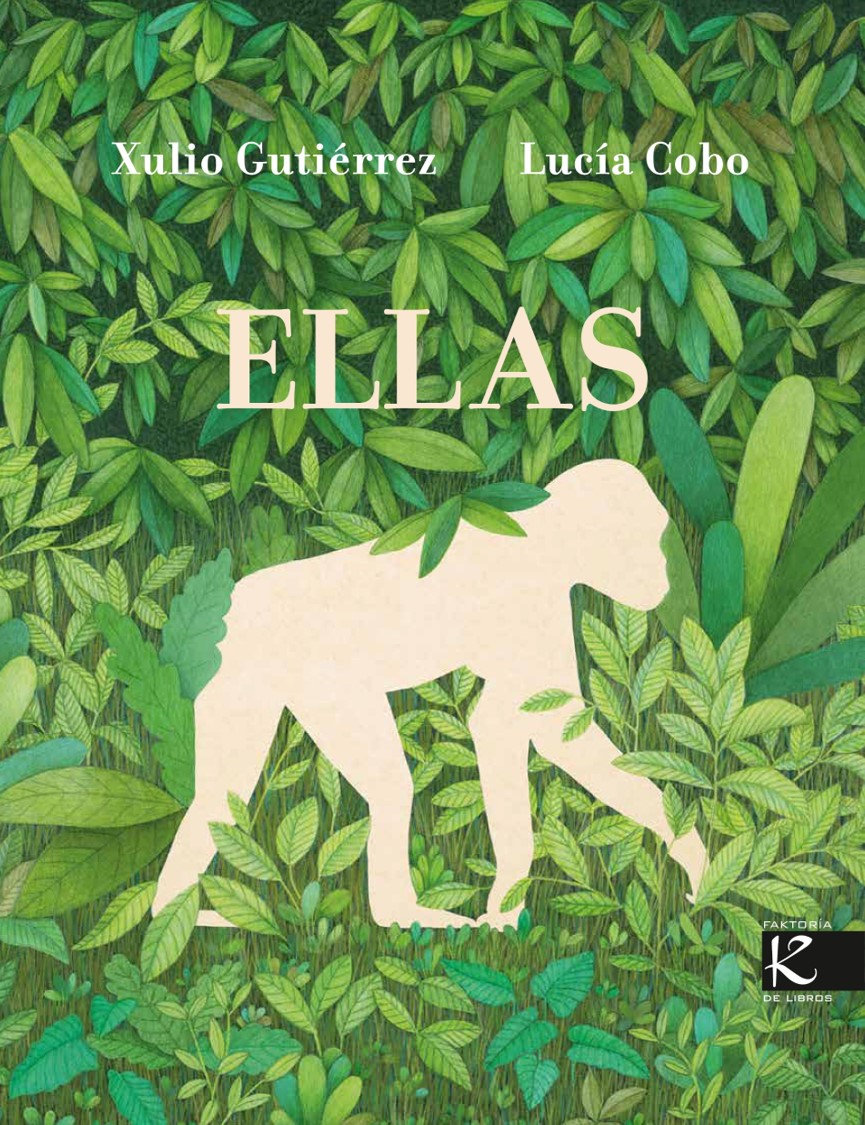
Females
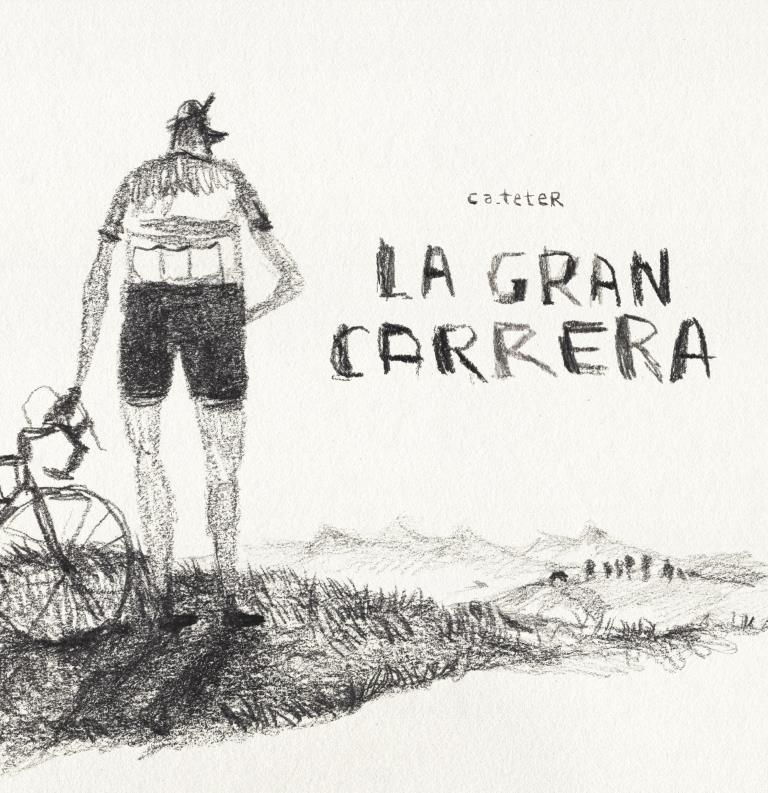
The Great Race
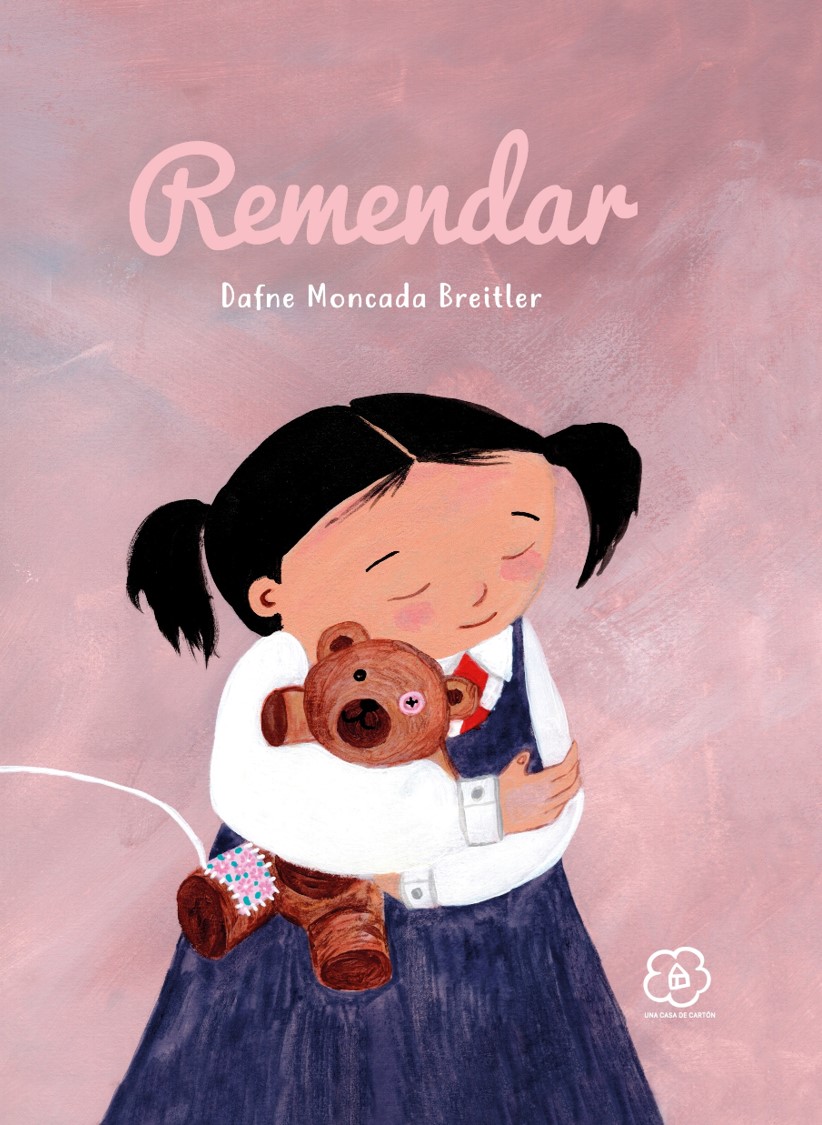
Mending
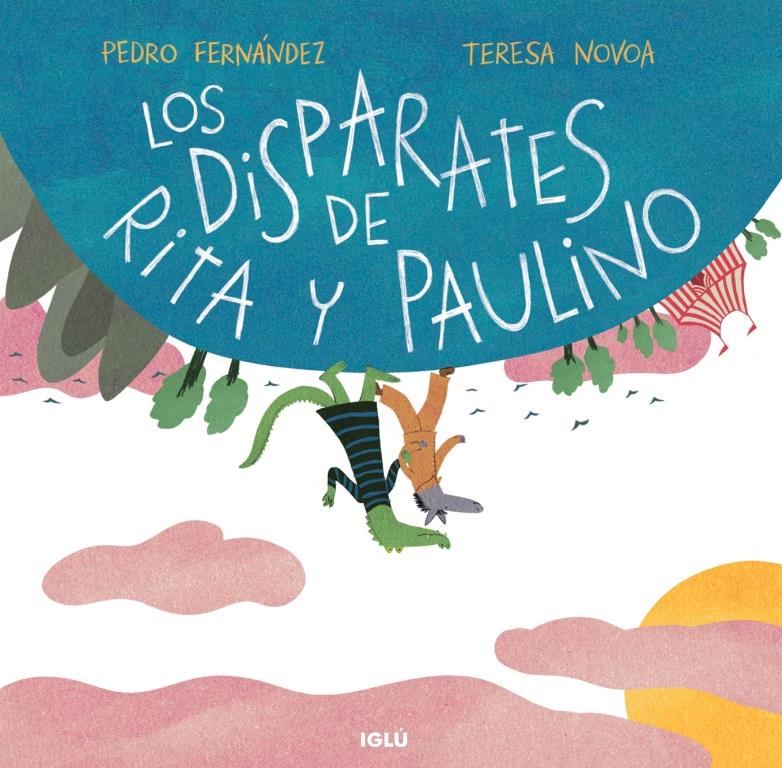
Rita and Paulino's nonsense
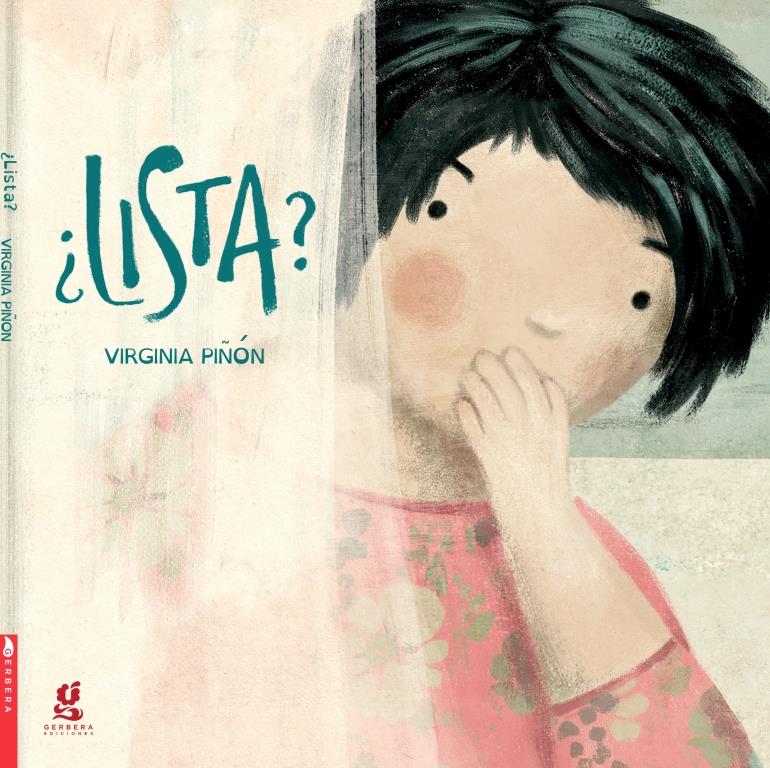
Ready?
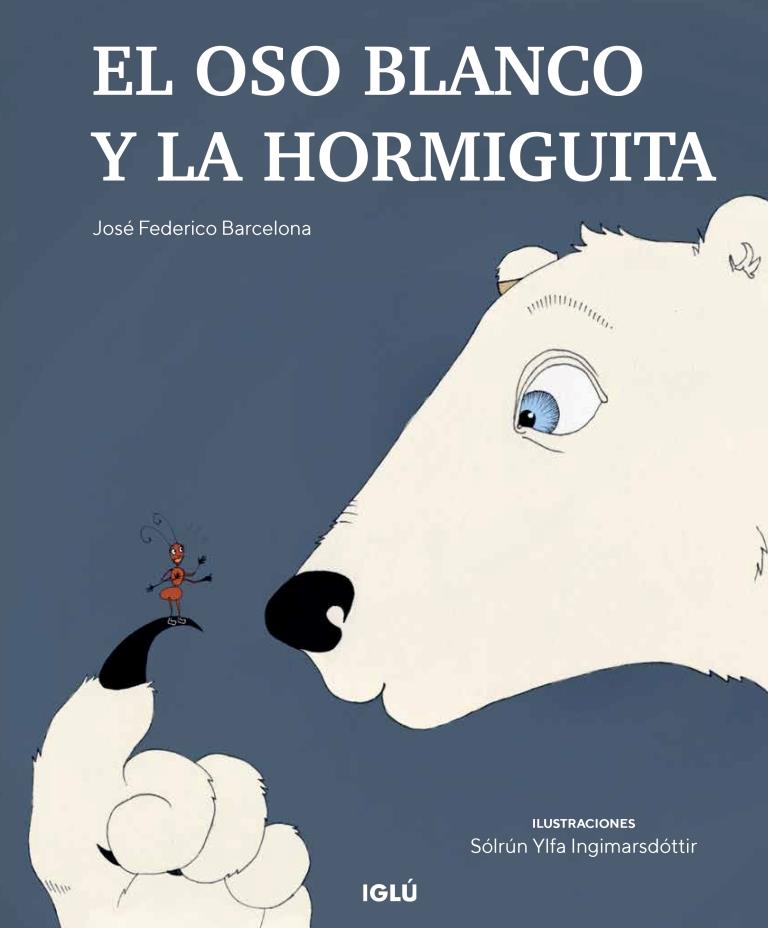
The white bear and the little ant
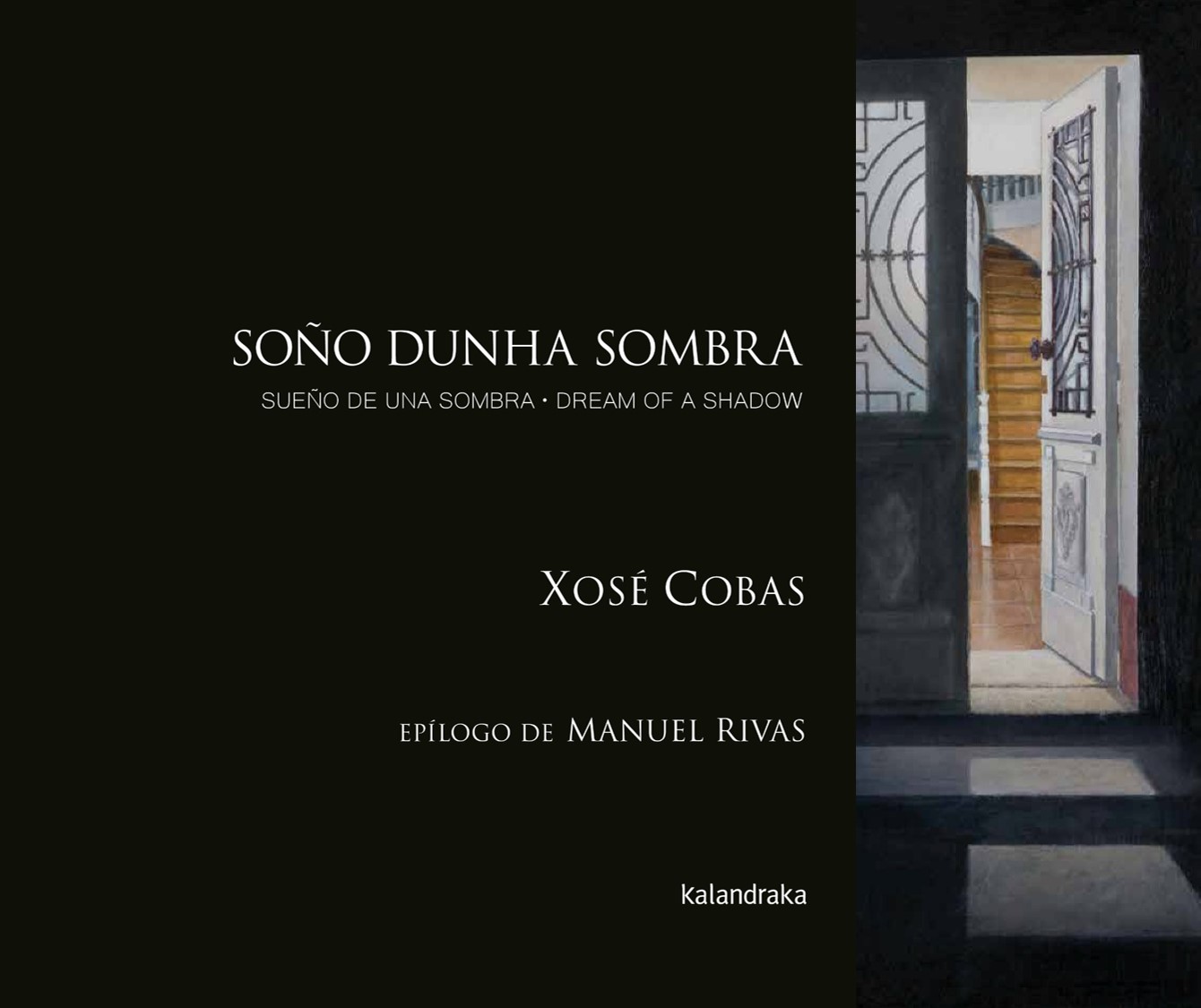
Dream of Shadow
The Animal in the Stone
Not Any Mountain
The Man Who Lost His Head
Wolf in Sight and Other Fables by Aesop
The Many Things I Have
No War for Me!
Five Blocks
Lupito
Élmar
Weightless
All This Was Fields Once
My Pet and I
A Bit Invisible
The Ghost Monkeys
Gabriela’s Territories
A Little House of Secrets
Butterfly Ears
Cough Cough
What does an Elephant do Under an Apple Tree?
Mrs. A and Mr. Z
My World, My Home
20 Horror Poems and One Absurd Song
Abominable Stories
Little Red Riding Hood (First Dream)
Little Problem
This or the Other?
The New Neighbor
The Talent-Searchers
An Unexpected Encounter

Suns and Flowers

The Incredible and Exaggerated Adventures of the Baron of Munchausen

Quixote
My Guide, My Captain
The Streetcar Number Flower
Famous (and Secret) Daddy's Recipe
Topo Tomás and Topillo Toribio in the adventure of The Old Gold Coins
A, B, C and Mrs. Smith
The Secret Life of Letters
Emi + Emi

A Tree. A Gift from the Roots to the Sky
Me and Puberty
Finances and Us
Architecture and Us
Wedding at the Greengrocer’s
On This Side of the Mediterranean
The Day the Stories Disappeared
Alexandria
Come and Go
The Luck of Finding a Seashell
Antonia’s Daisies
Grandfather's Journey
Animal Dad
The Migrants
Who? What?
Bim Bam Bum
Seven Monsters and a Cat
Since 1880
A Final Letter

Jungle
If a Mosquito Bites You
After the Rain
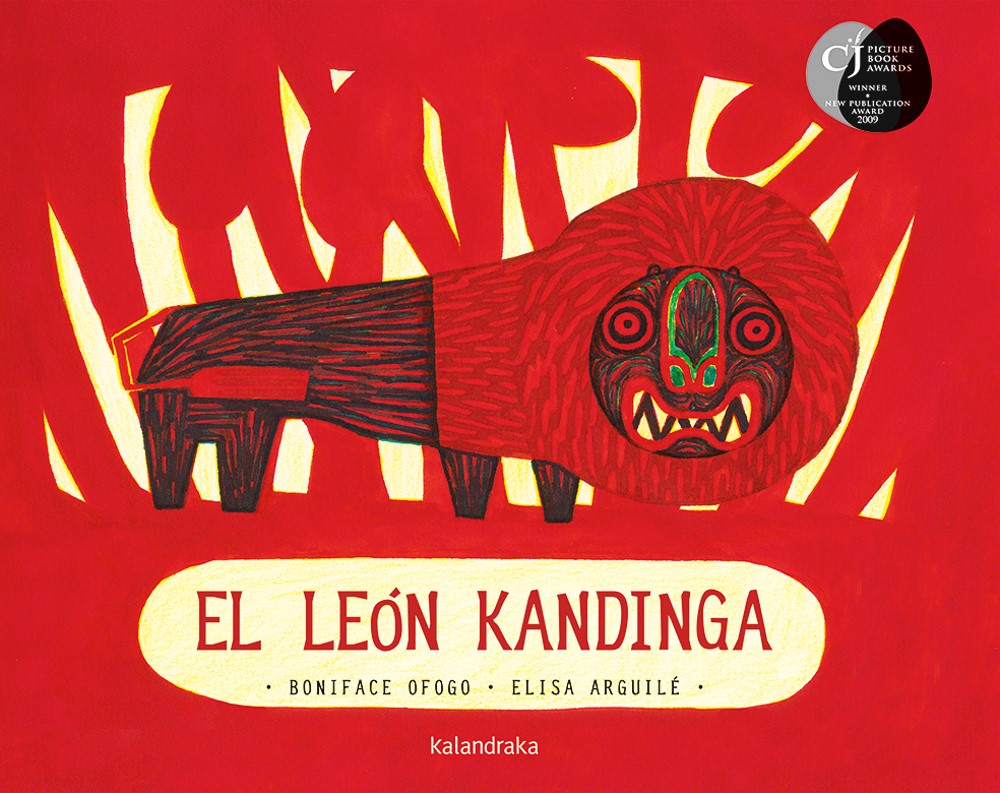
Kandinga the Lion
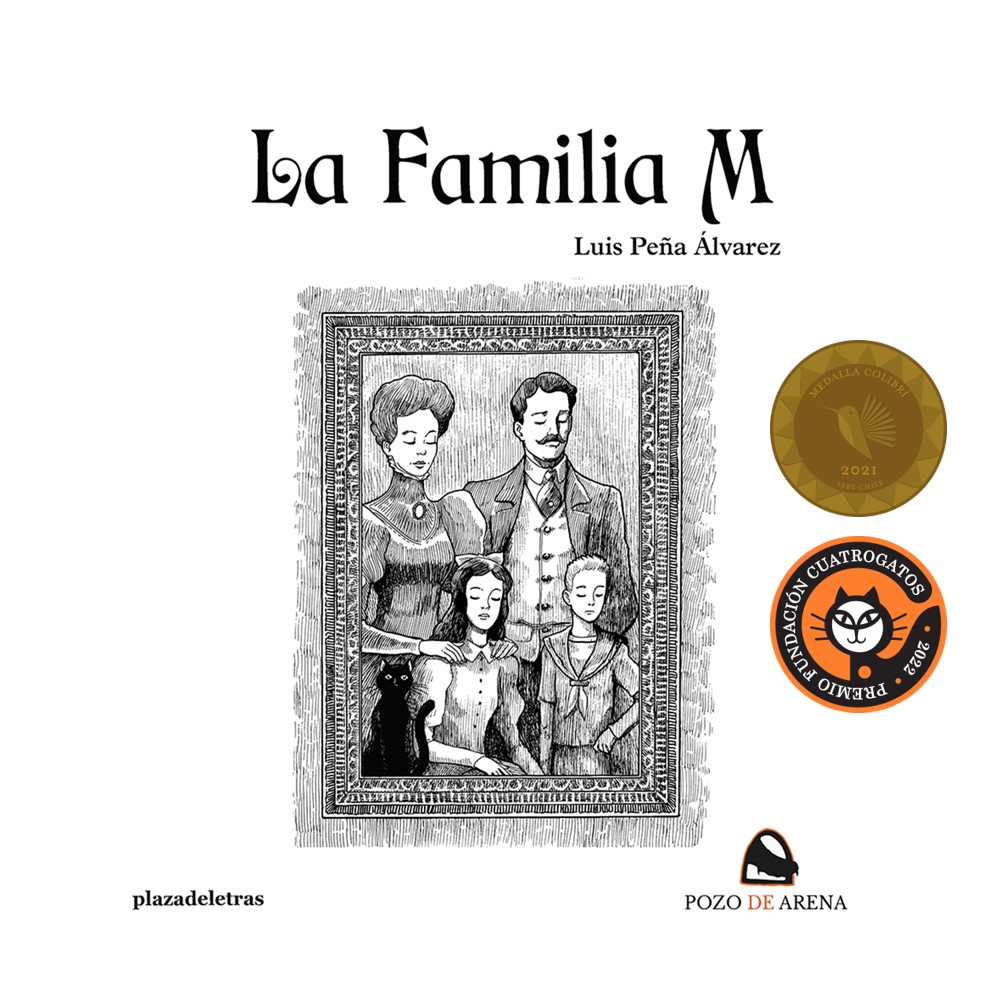
The M Family
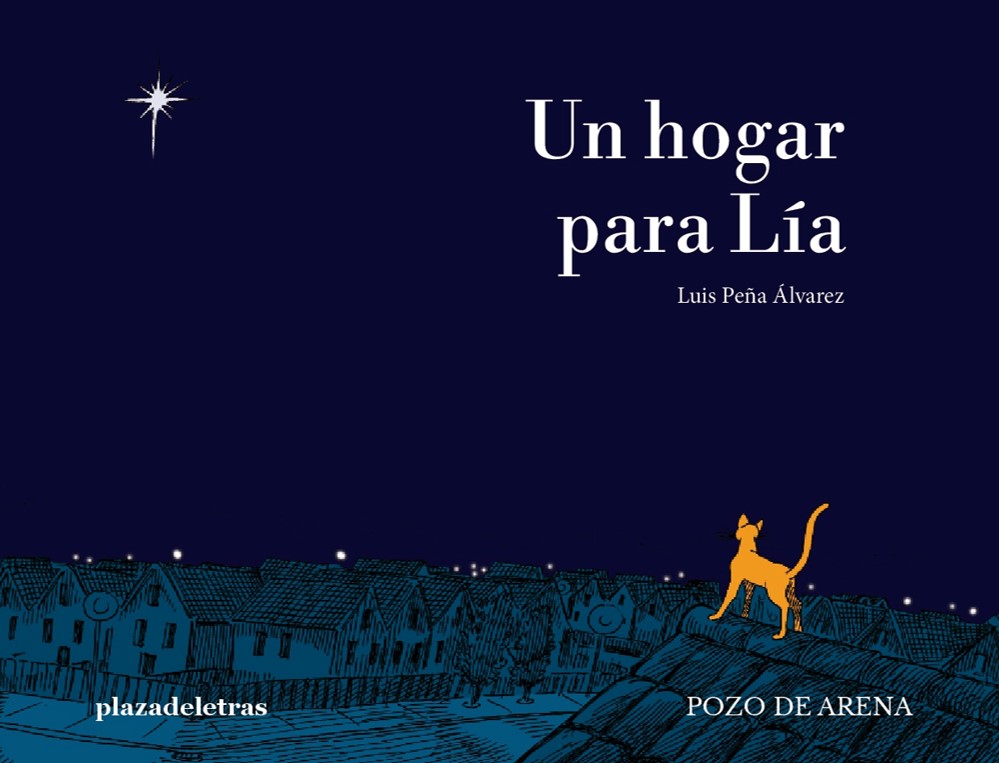
A Home for Lia
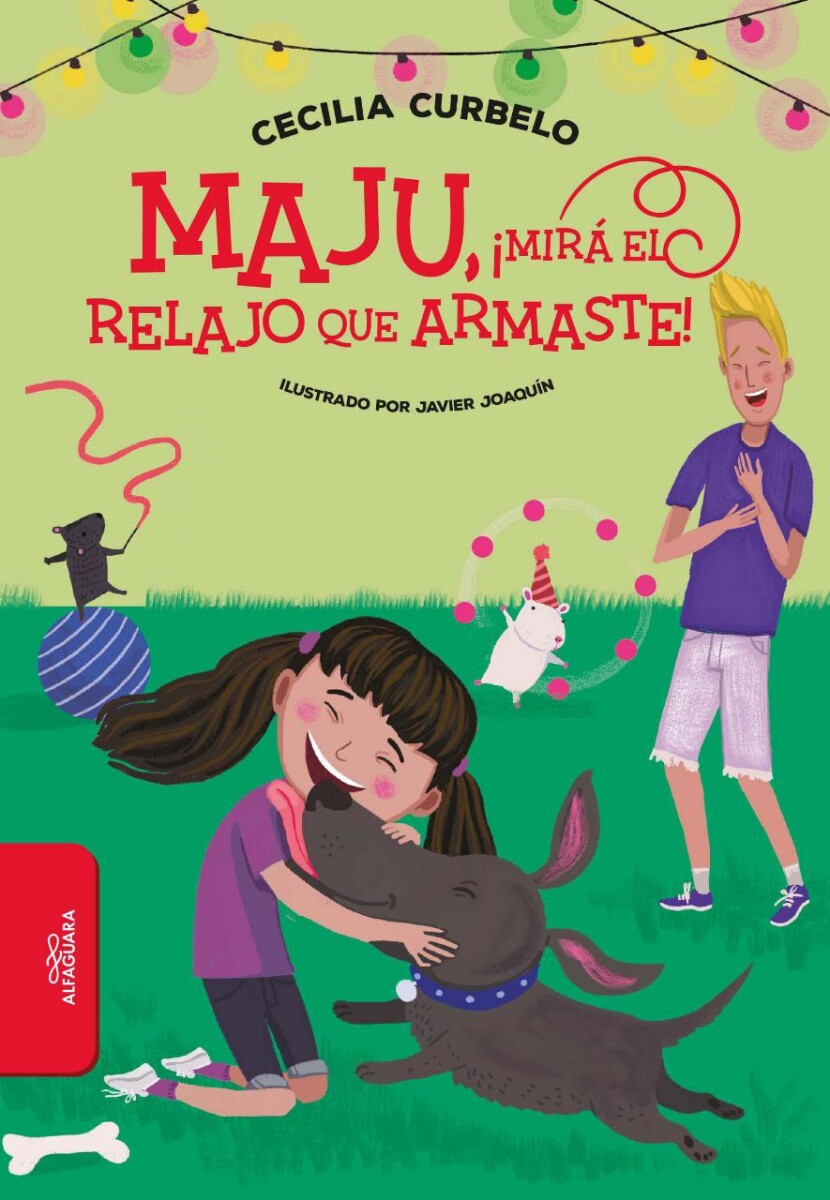
Maju, Look What You've Done!

Maju, You are not the Center of the Universe!
Candido and Everybody Else
Thinking and Us!

Viruses and Us
History and Us
Philosophy and Us
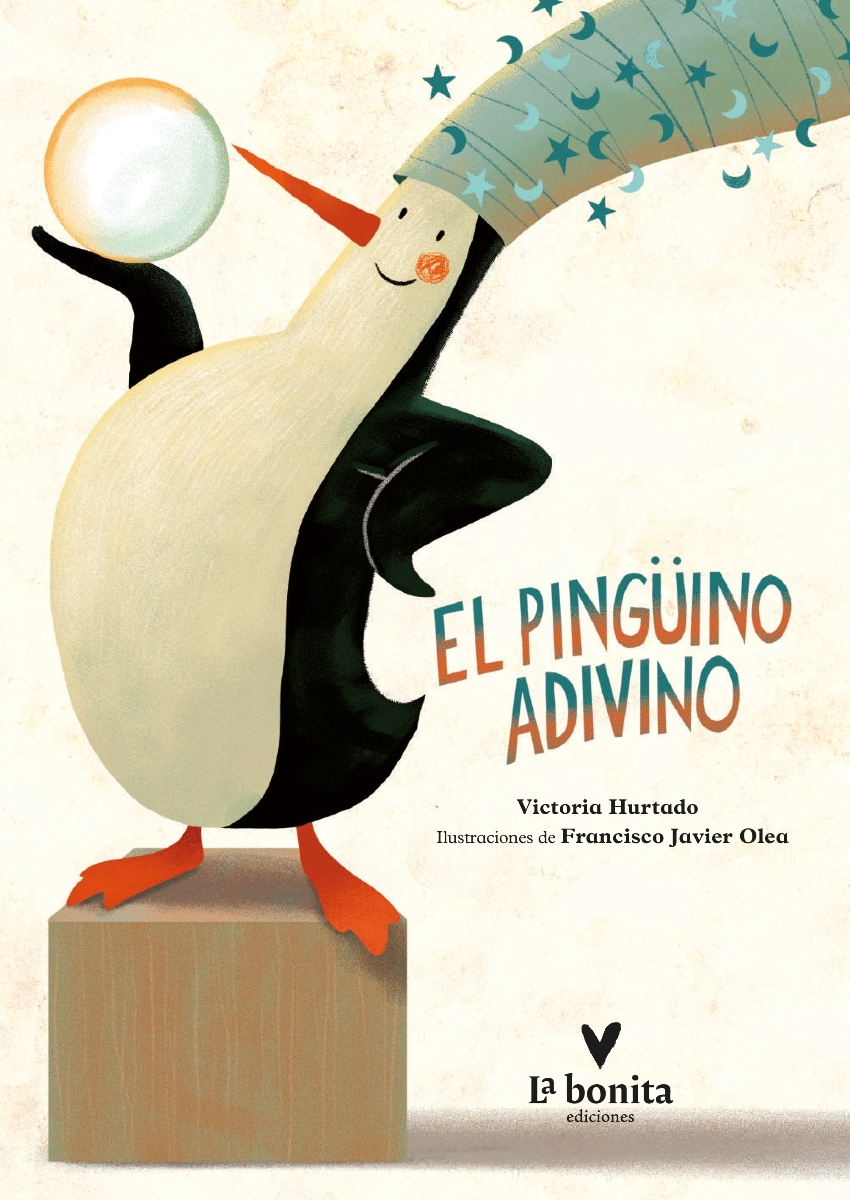
The Psychic Penguin
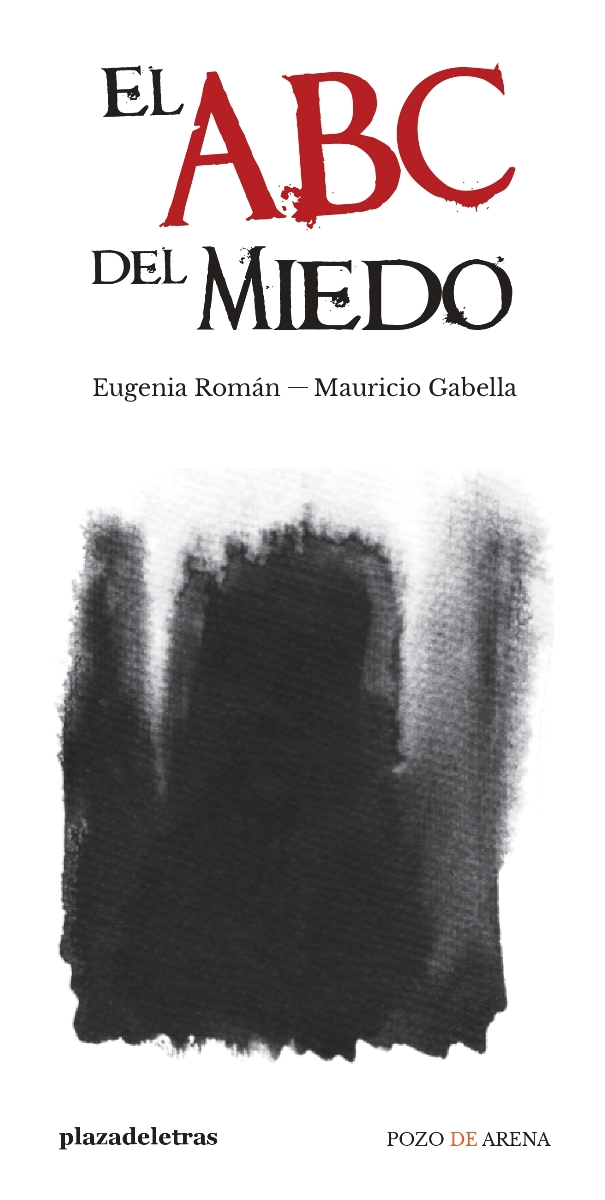
The ABC of Fear
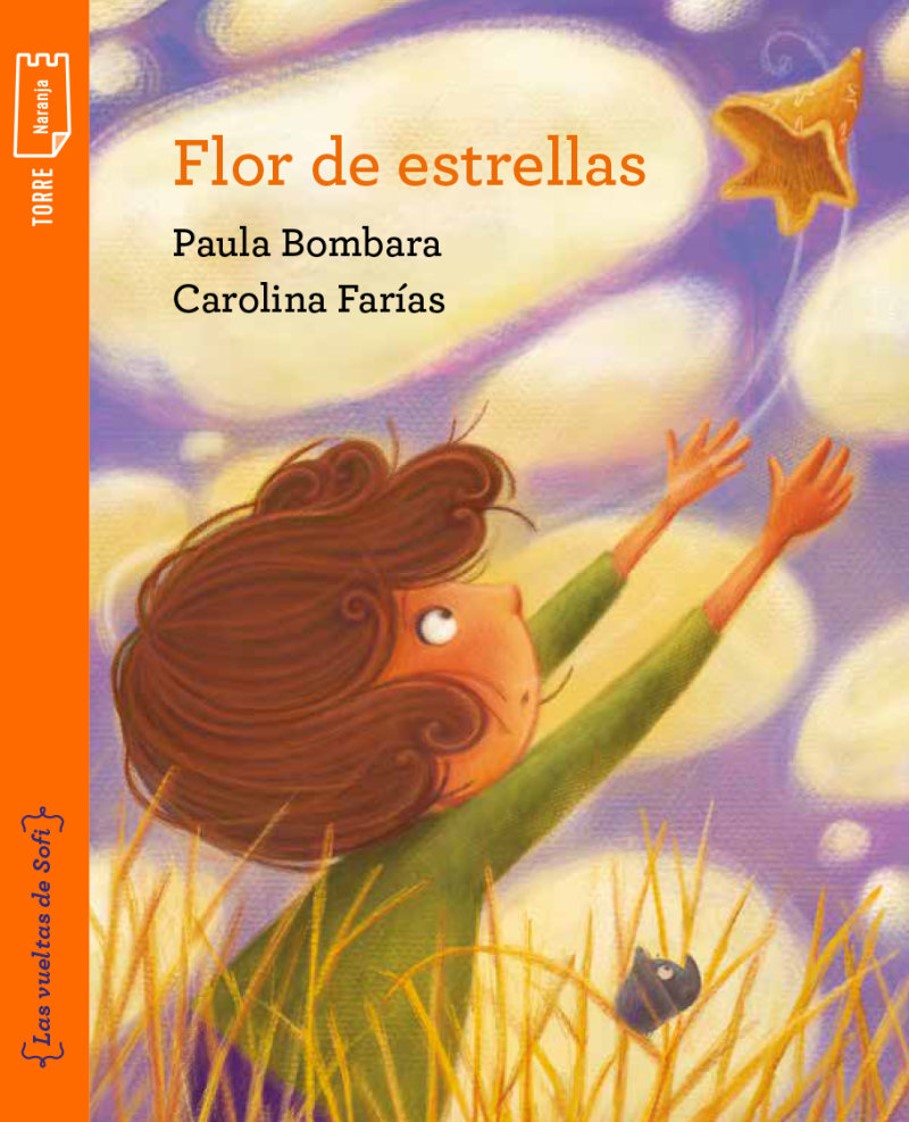
The Twinkling Hat
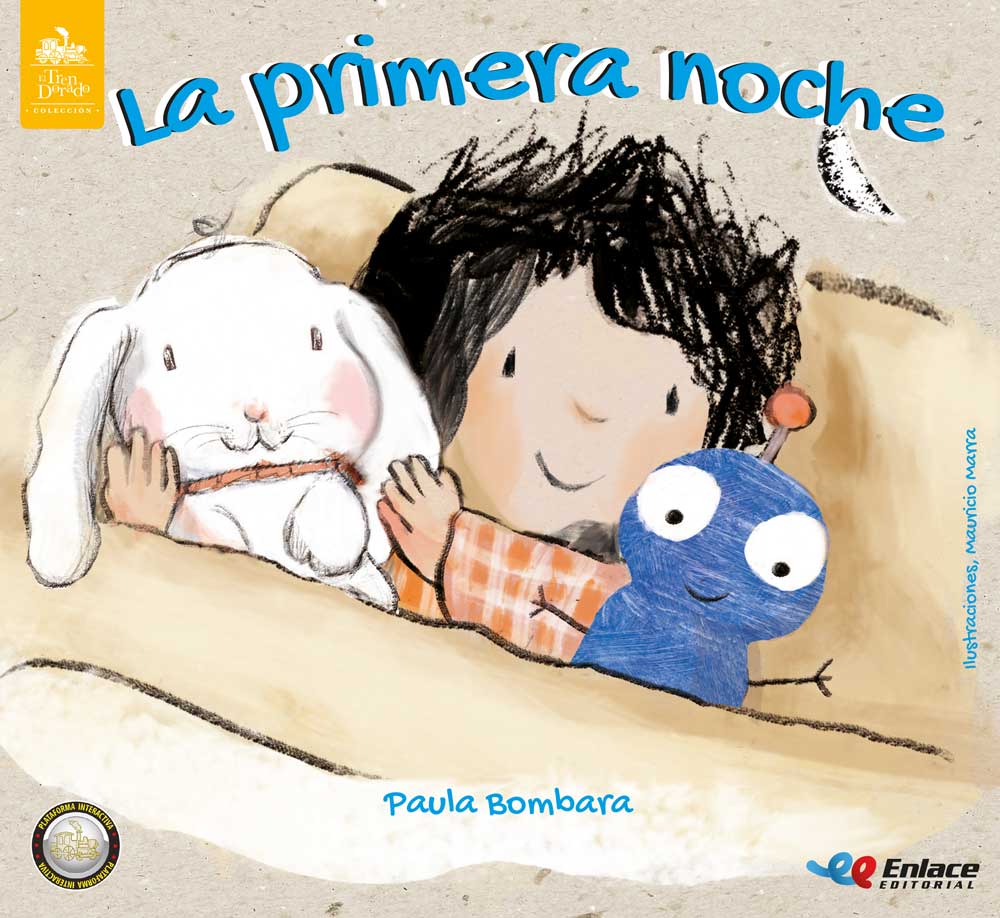
The First Sleepover
Maju, Change that Long Face!
Maju, Stop Talking!
My Neighbour
Welcome, Lupe
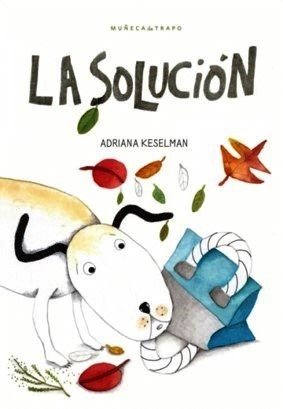
The Solution
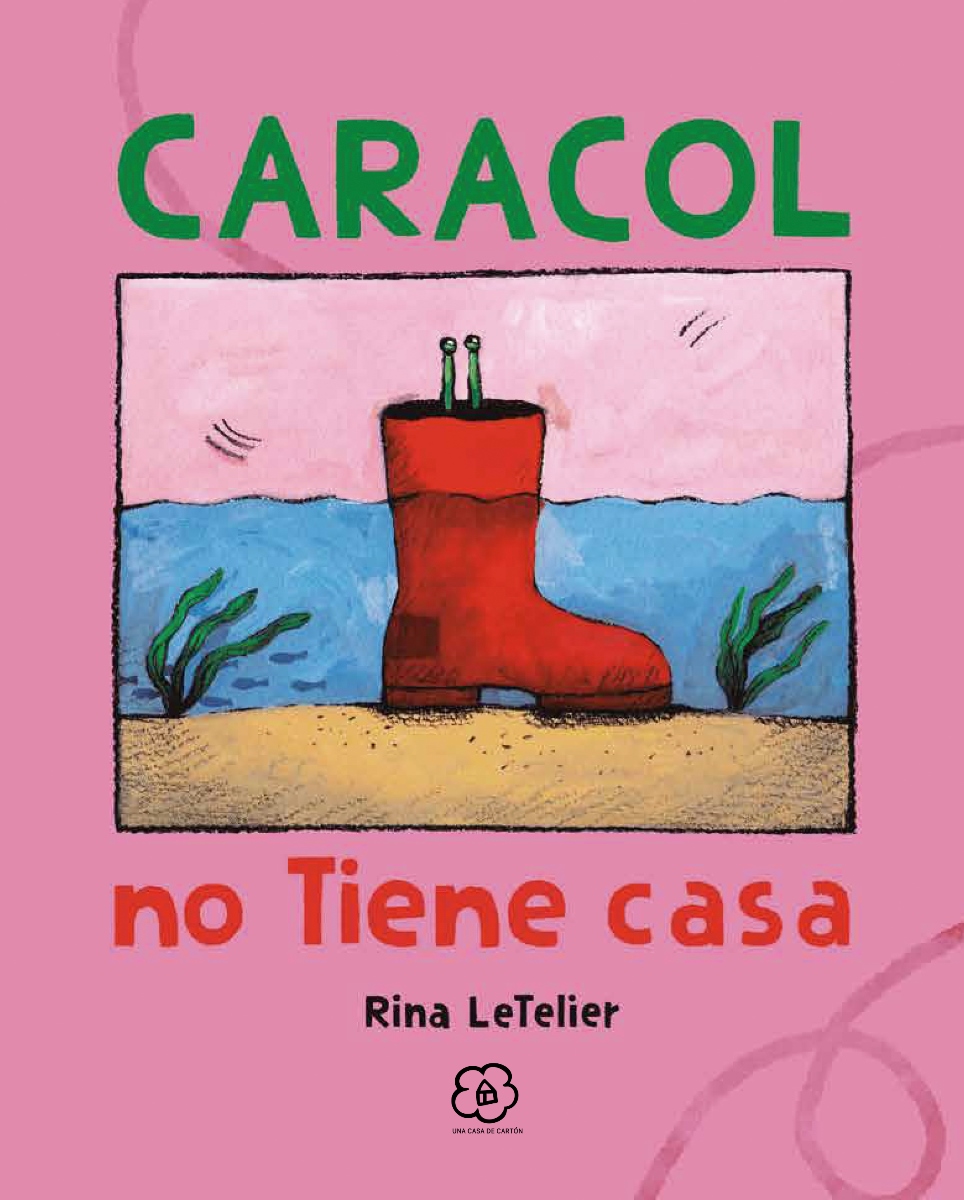
Snail Has No Home
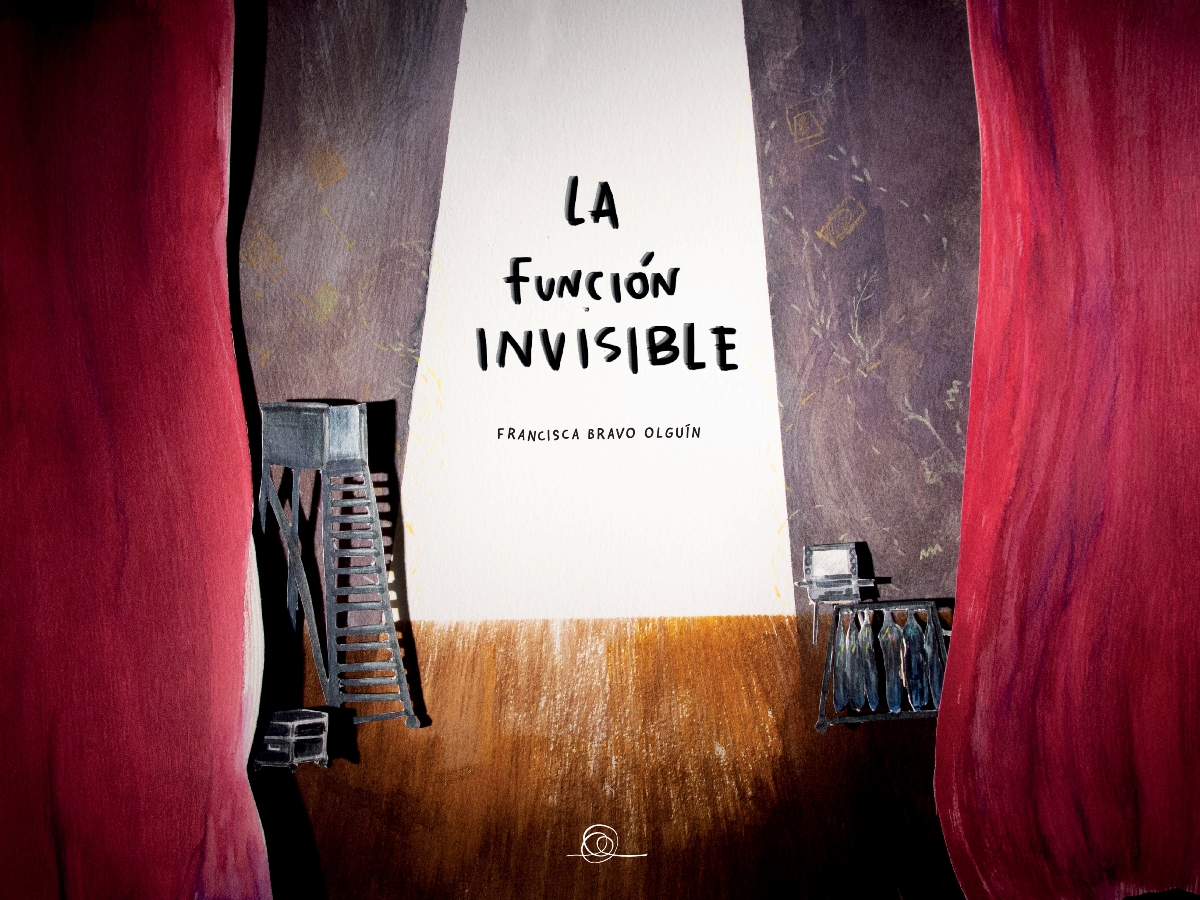
The Unseen Performance
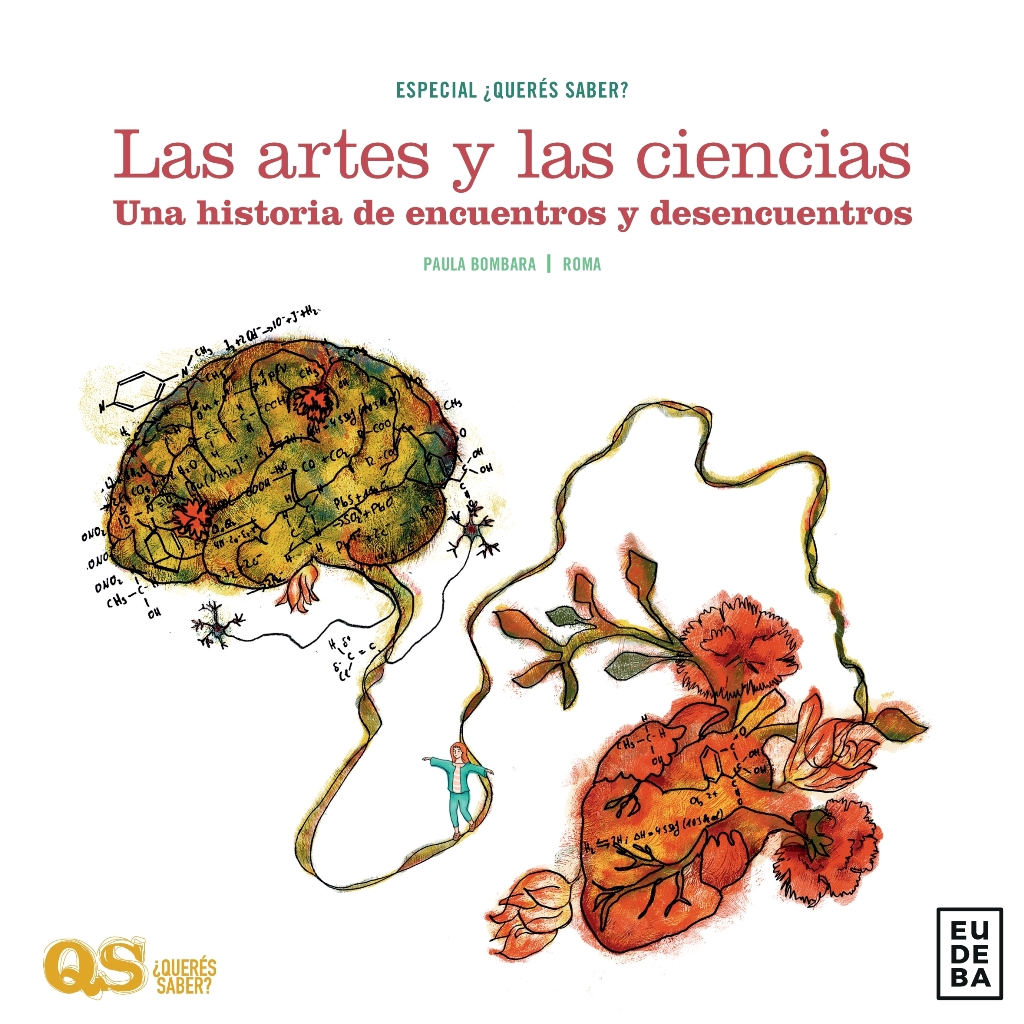
The Arts and the Sciences. A Story of Encounters and Disagreements
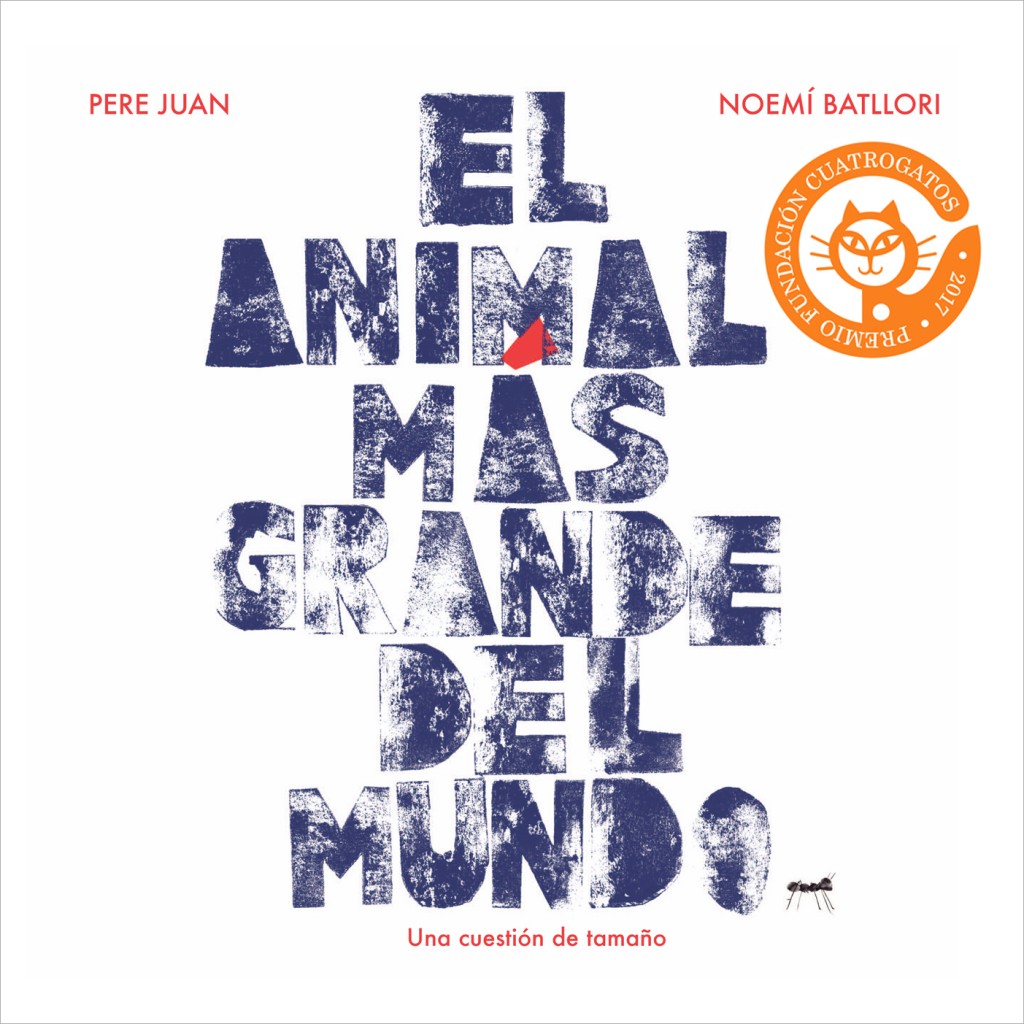
The Largest Animal in the World
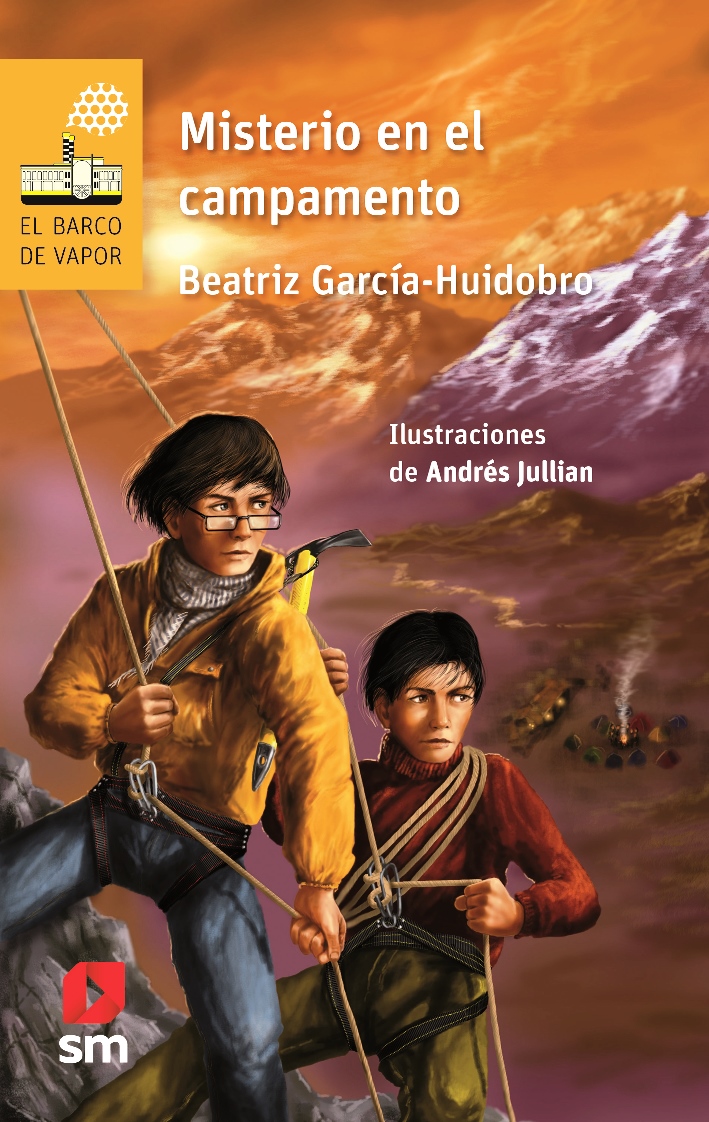
Mystery in the Camp
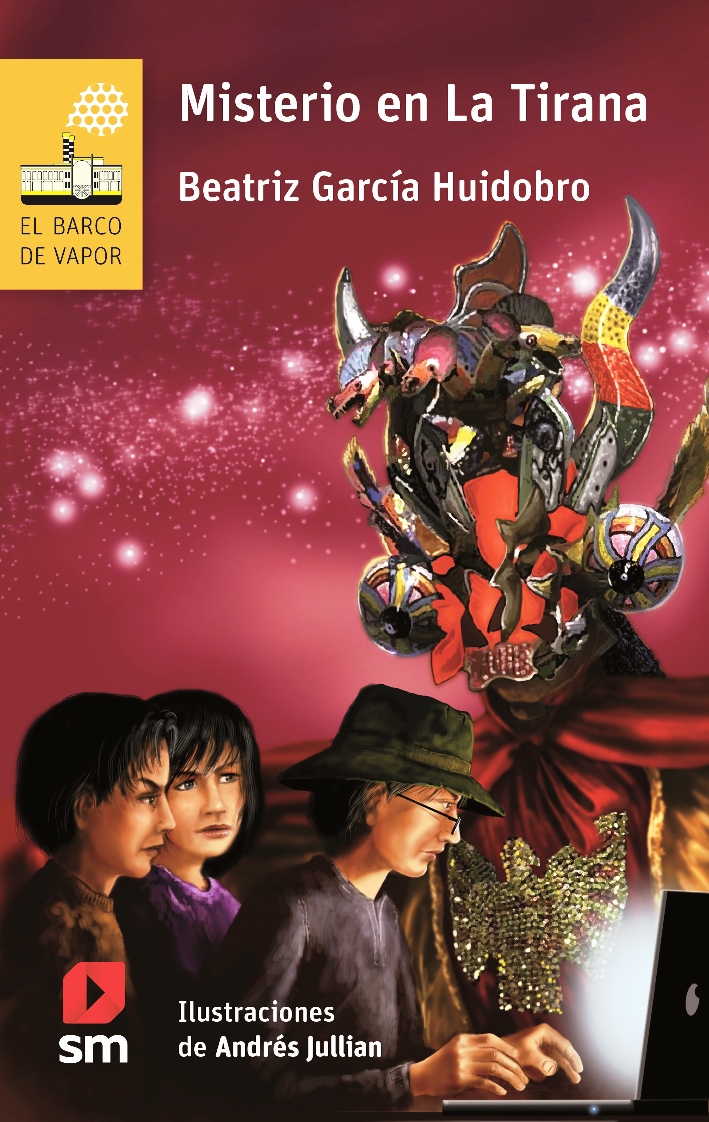
Mystery in La Tirana
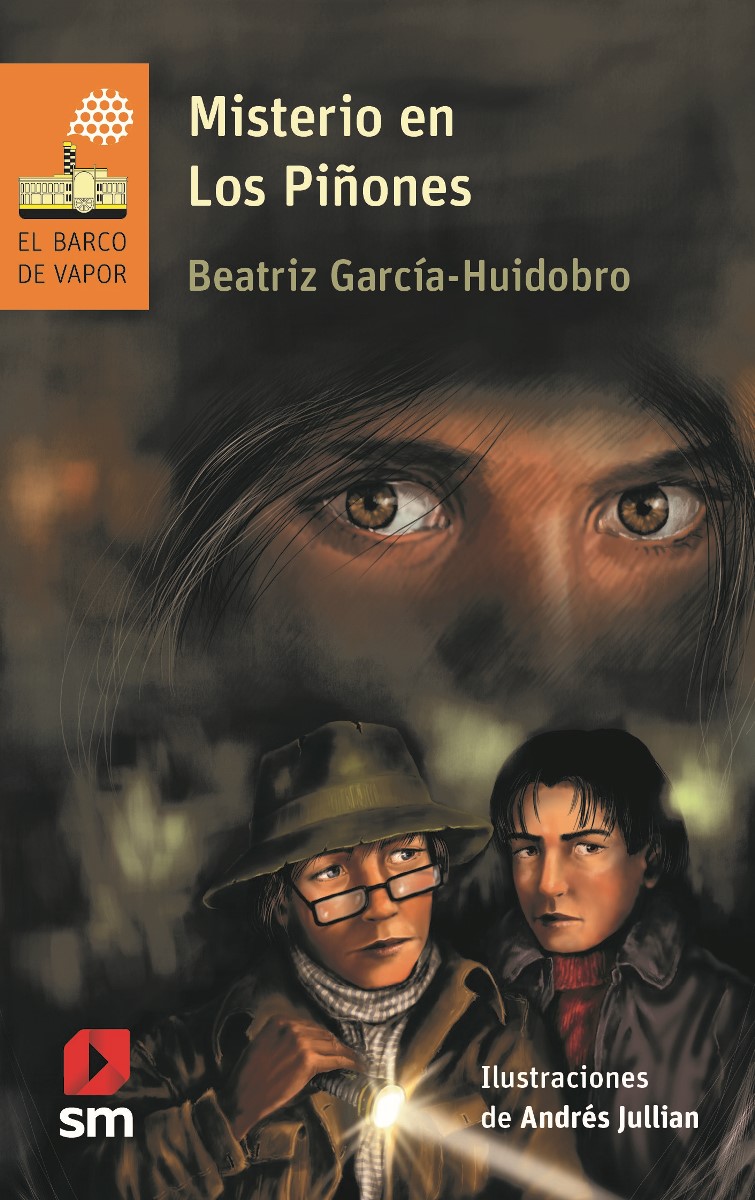
Mystery in Los Piñones
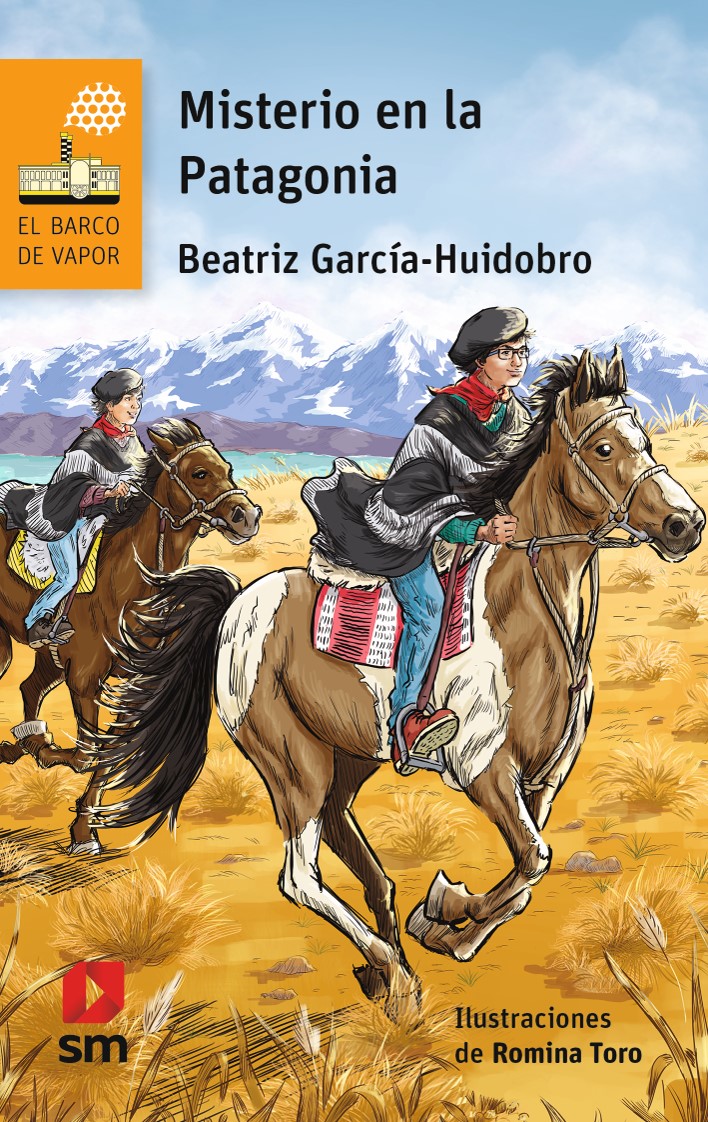
Mystery in Patagonia
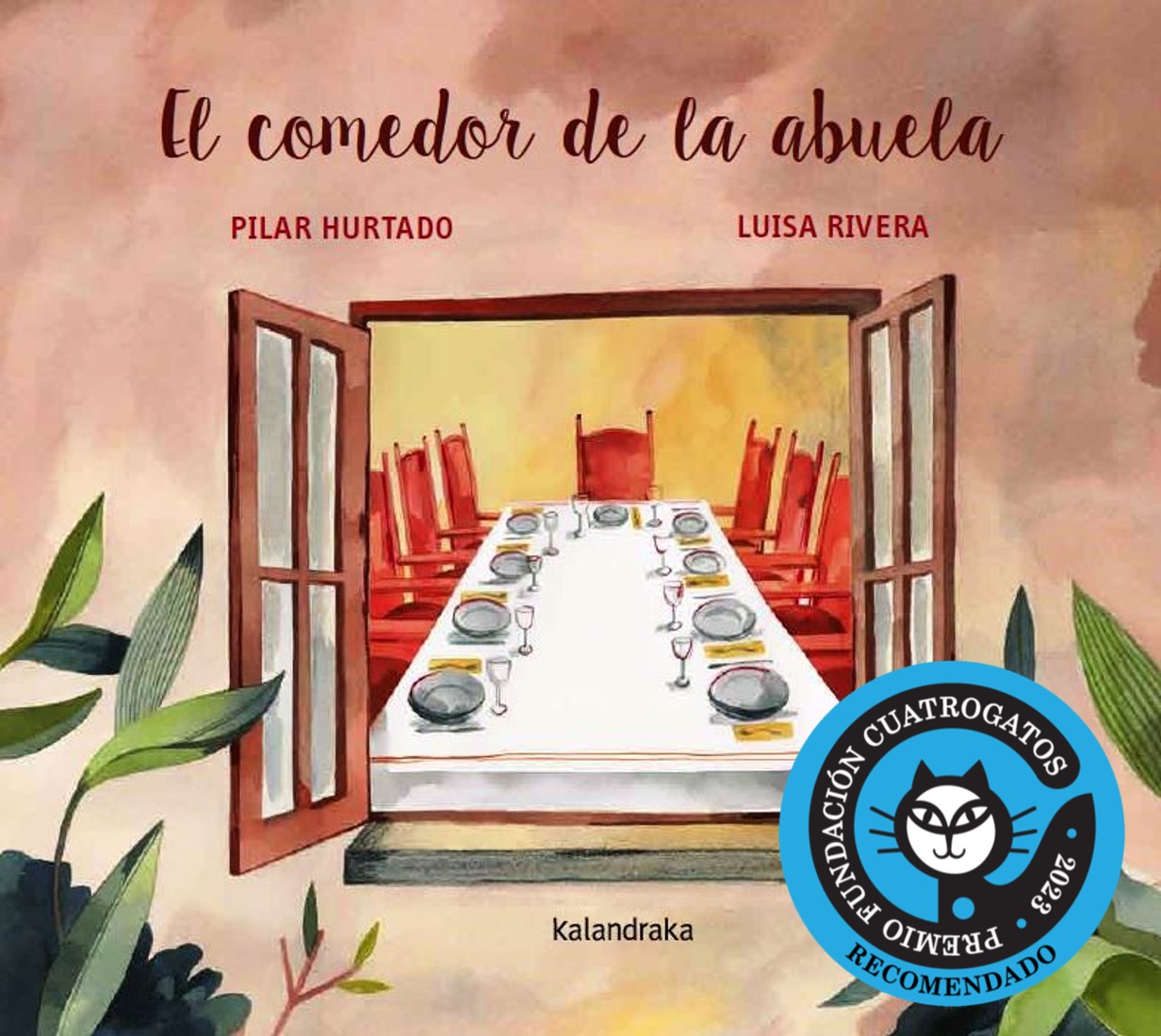
Grandma's Dining Room
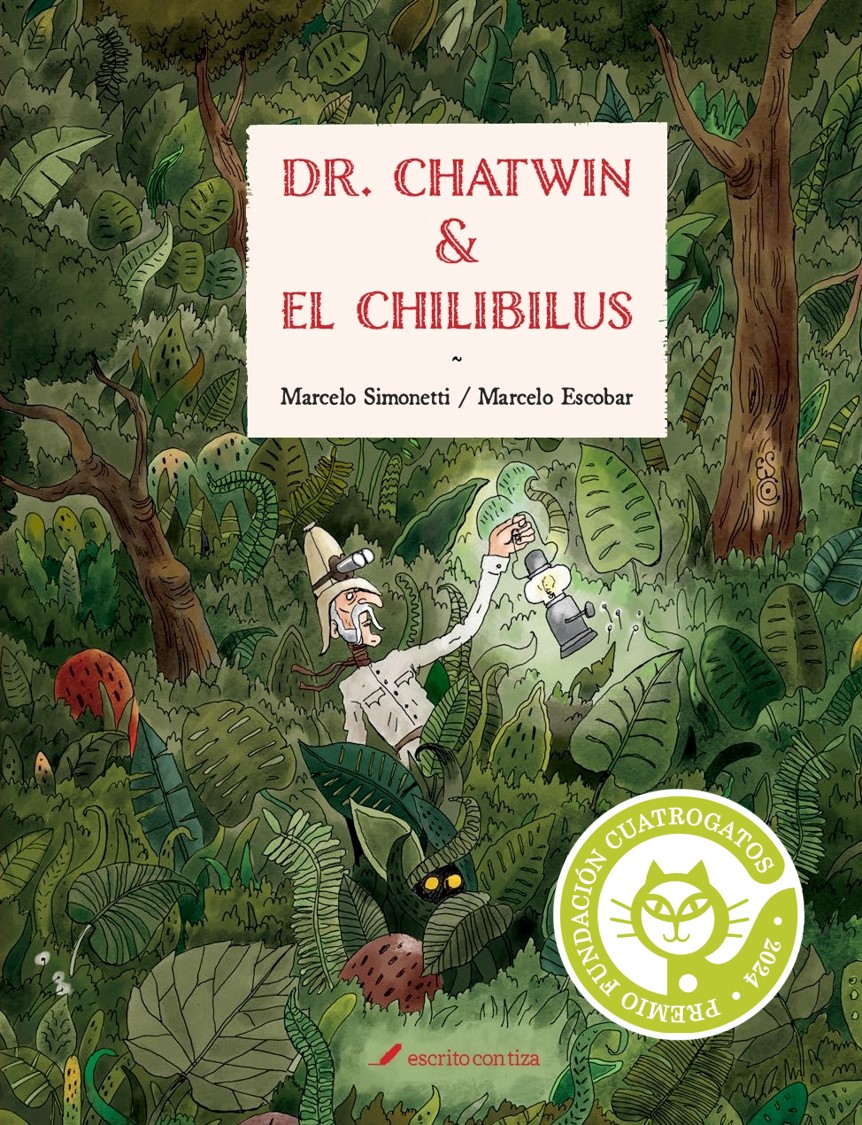
Dr. Chatwin and the Chilibilus
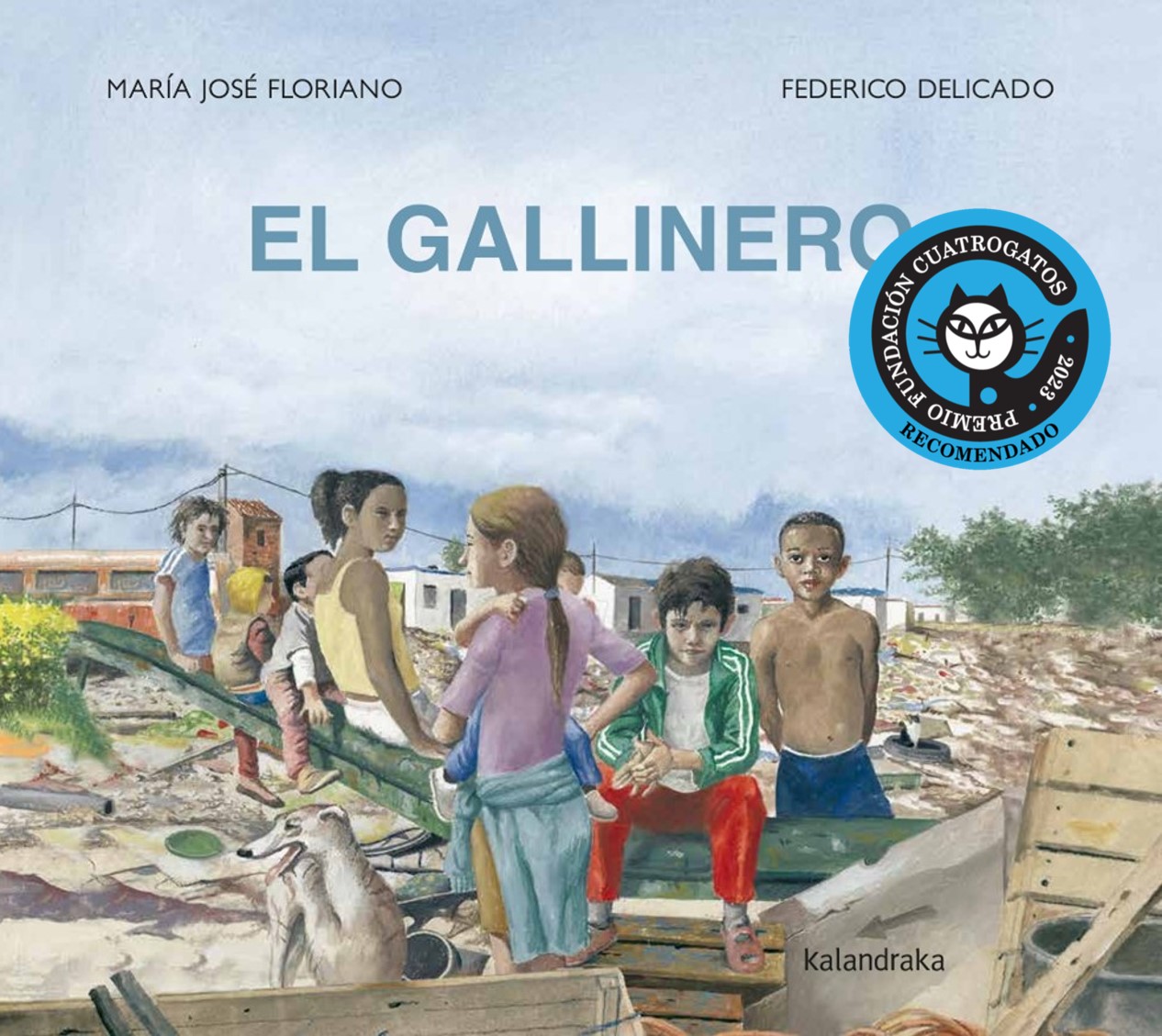
No Man's Land
A New Neighborhood
Juan Wanted a Dog
The Chickentown Mystery
We are Going on Holiday Today!
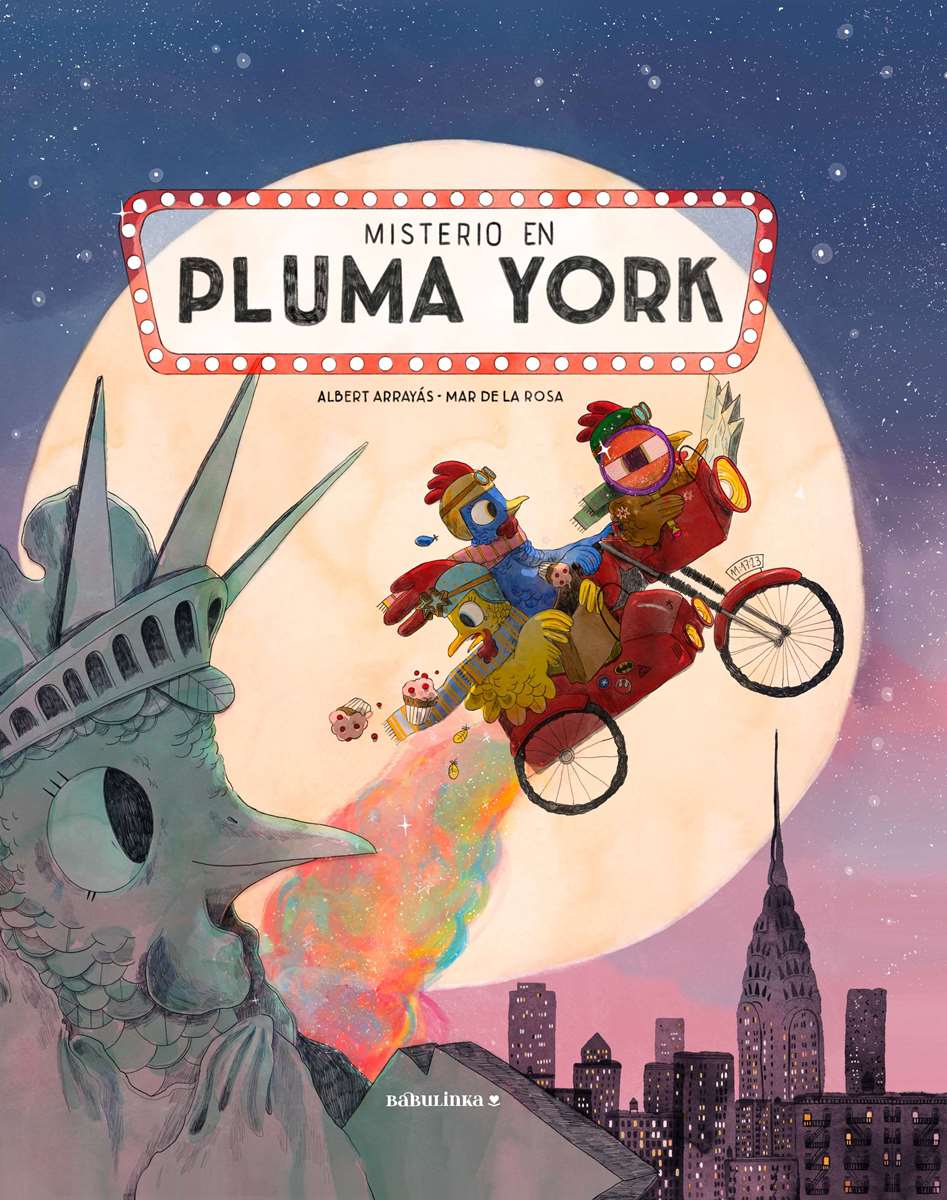
The Cluckew York Mystery
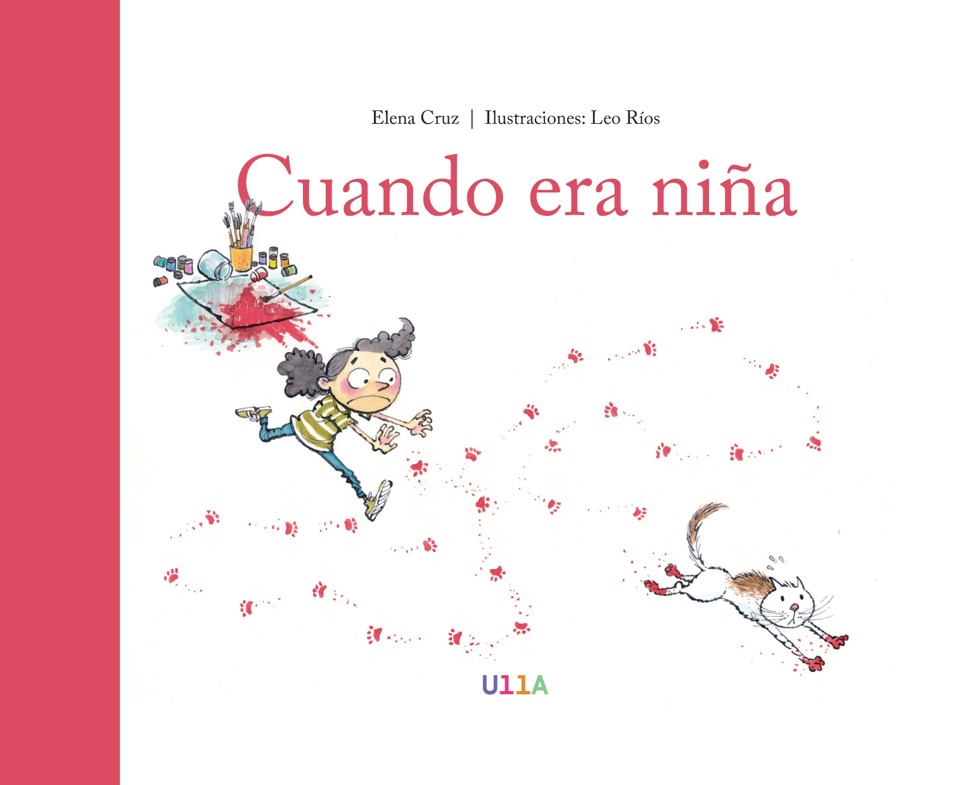
When I Was a Girl
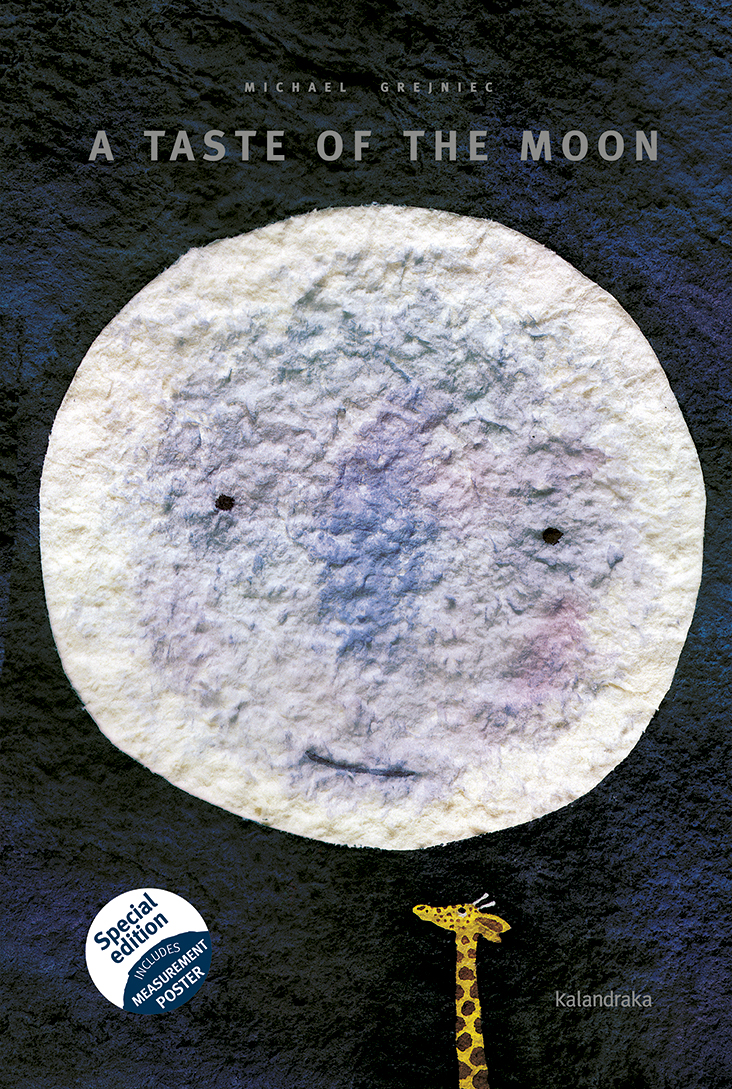
A Taste of the Moon
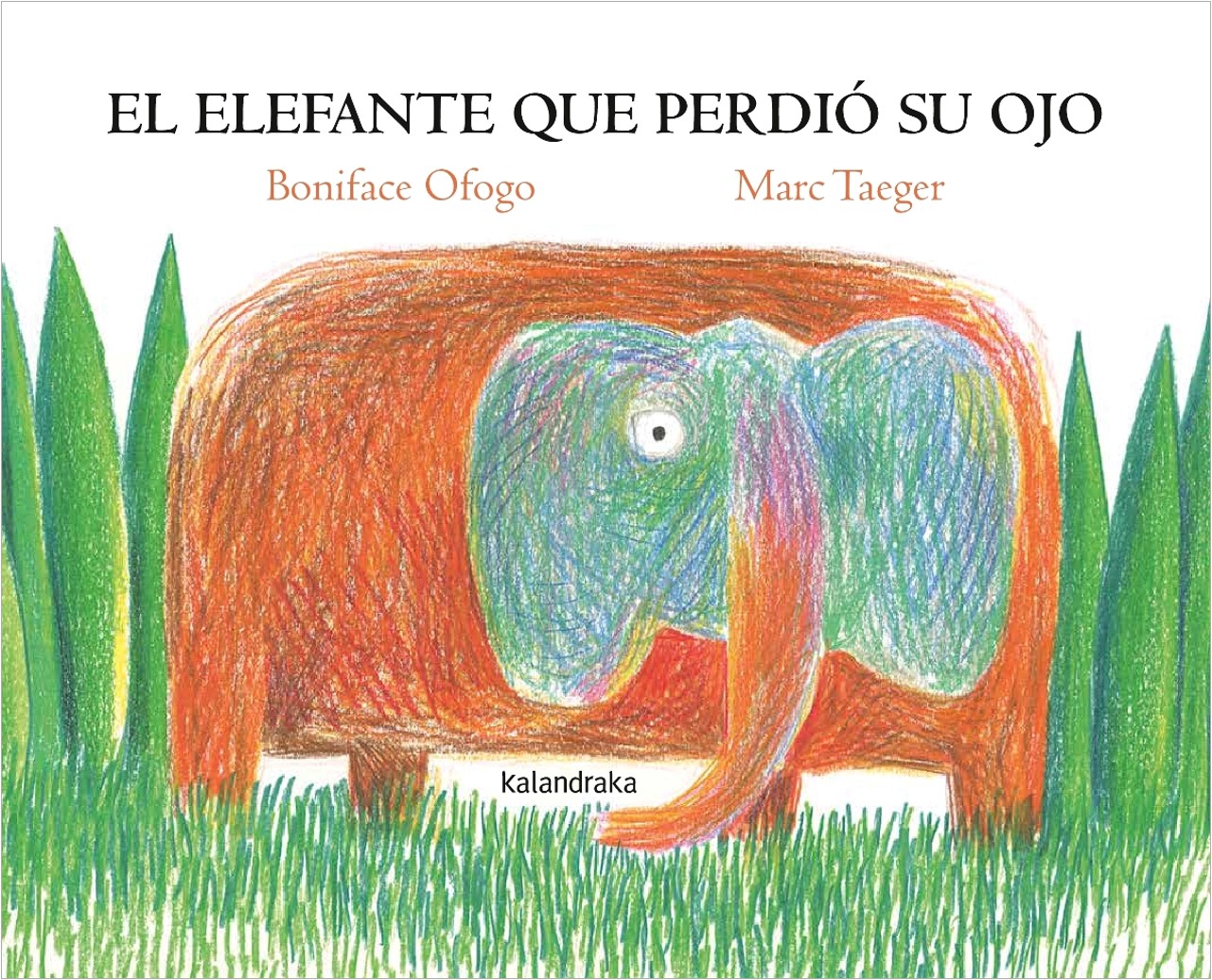
The Elephant Who Lost an Eye
So Close
She-Bear
Once Upon a Time there was a Word-Eating Boy
Waiting for the Dawn
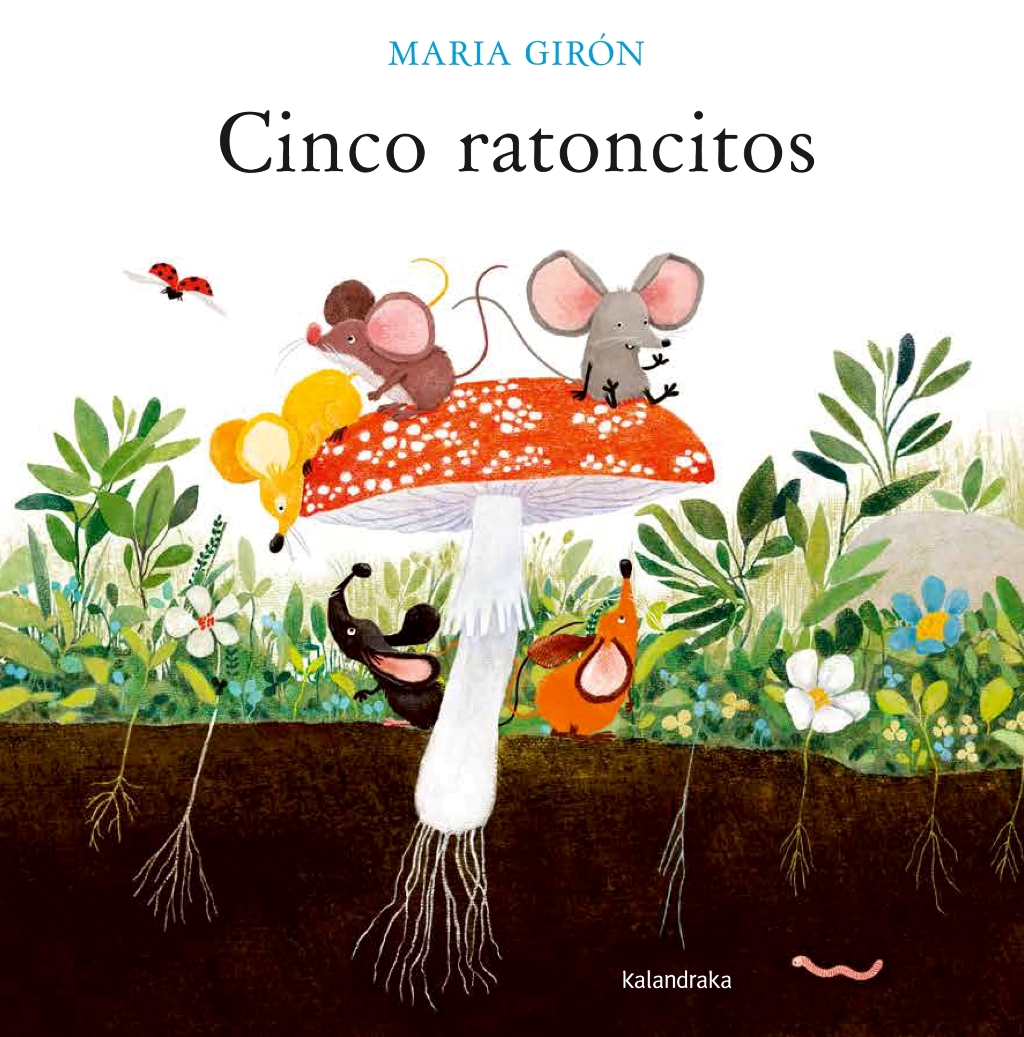
Five Little Mice
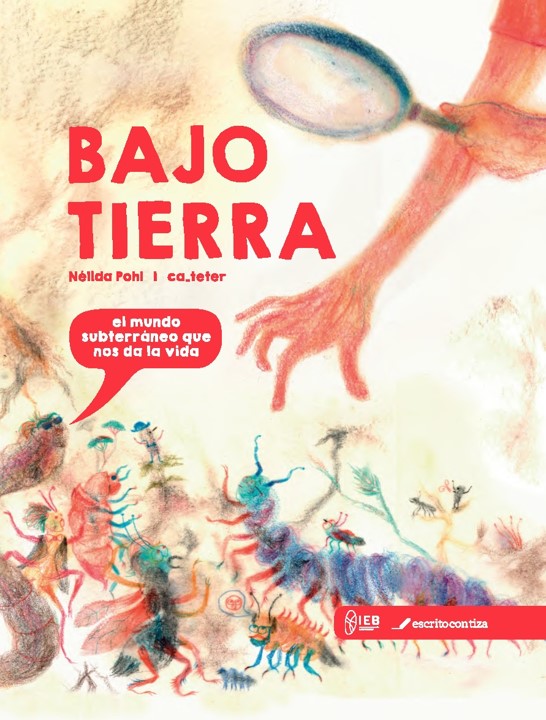
Underground. The Subterranean World that Gives us Life
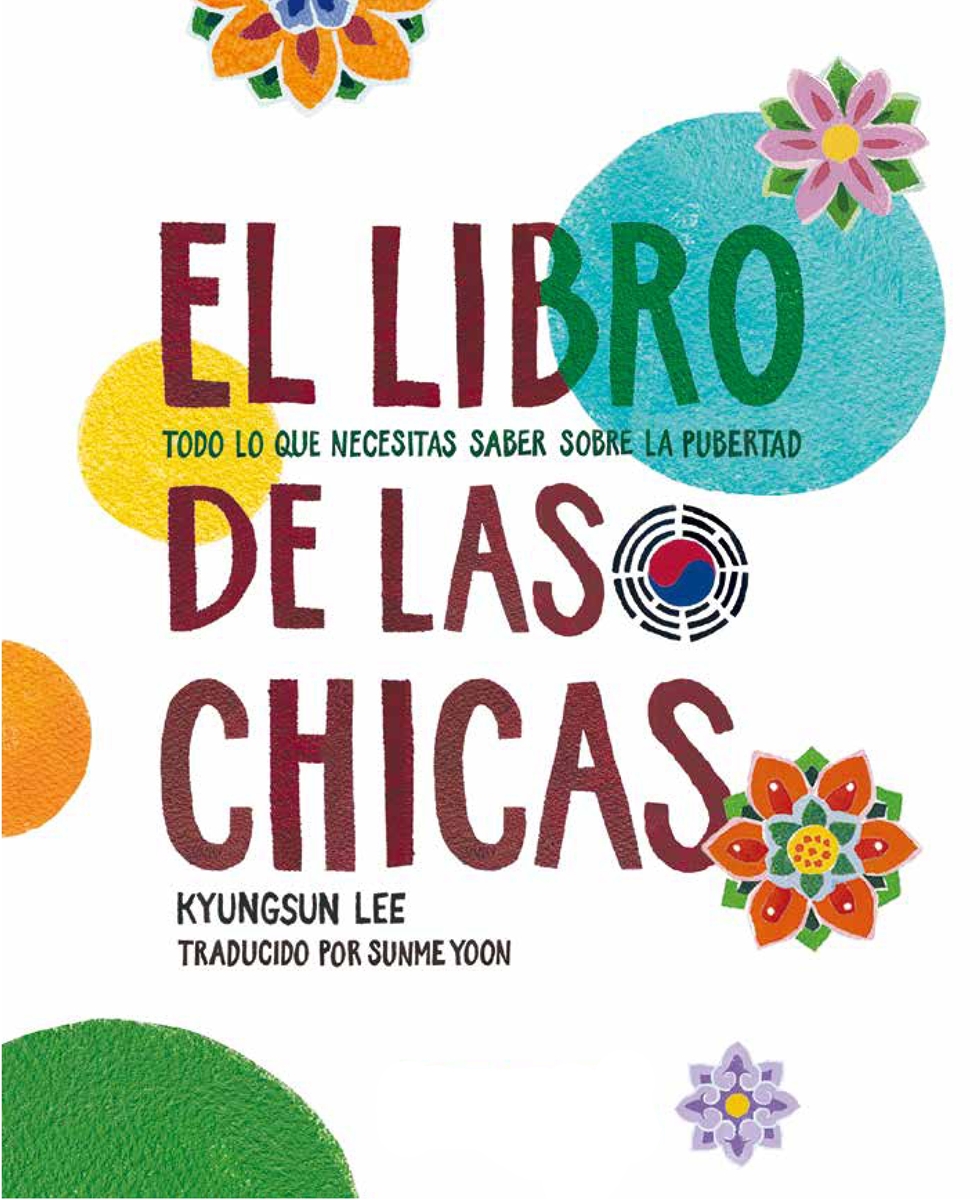
Time Blossom. From a Girl to a Woman
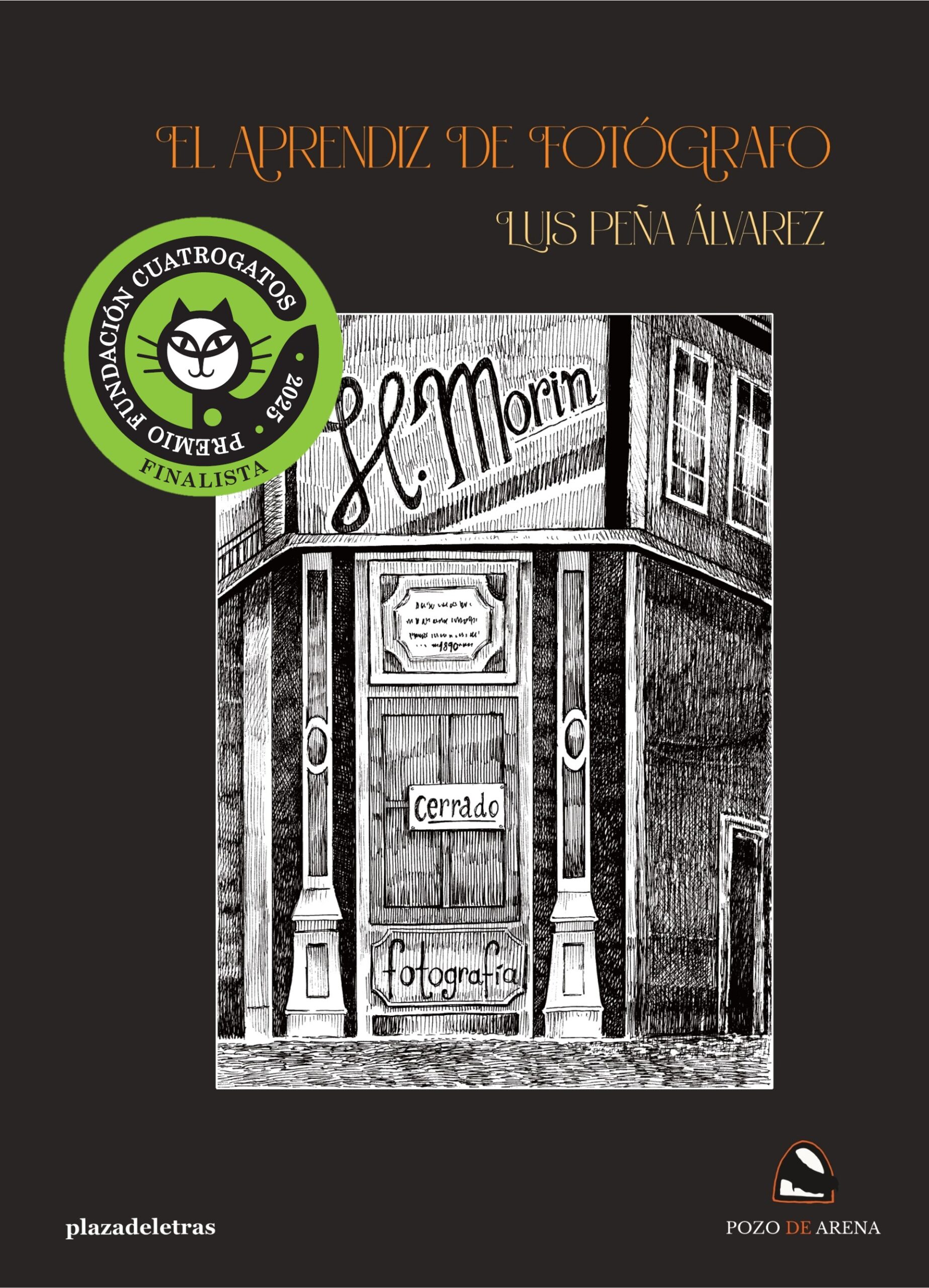
The Photographer's Apprentice
Grey
Juan Quimera
Baba Yaga
Who Am I? Animal Babies. Polar Lands
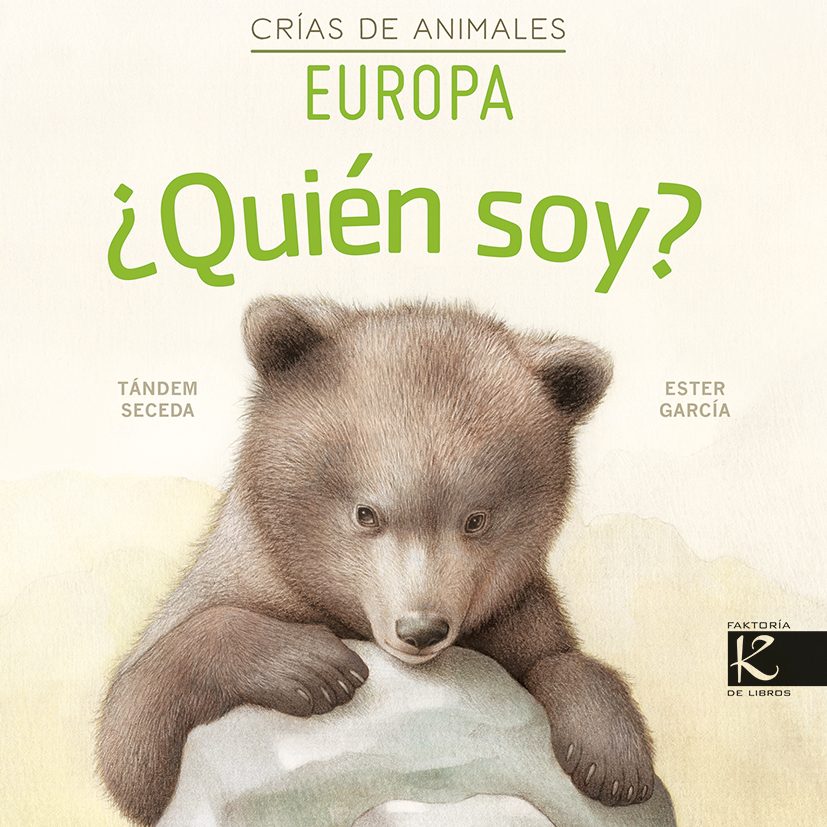
Who Am I? Animal Babies. Europe
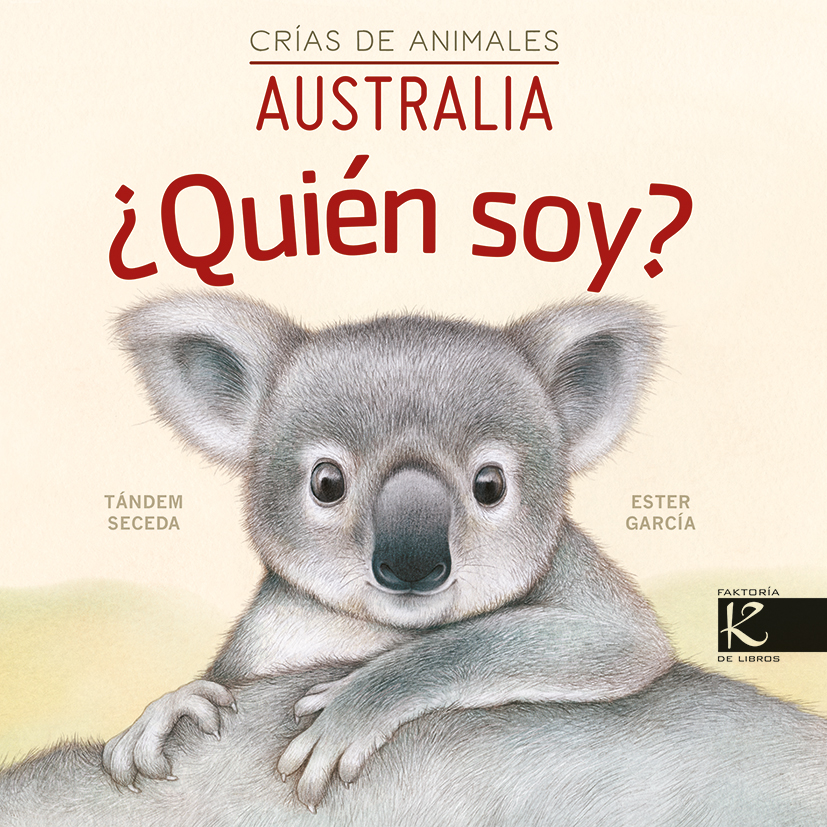
Who Am I? Animal Babies. Australia
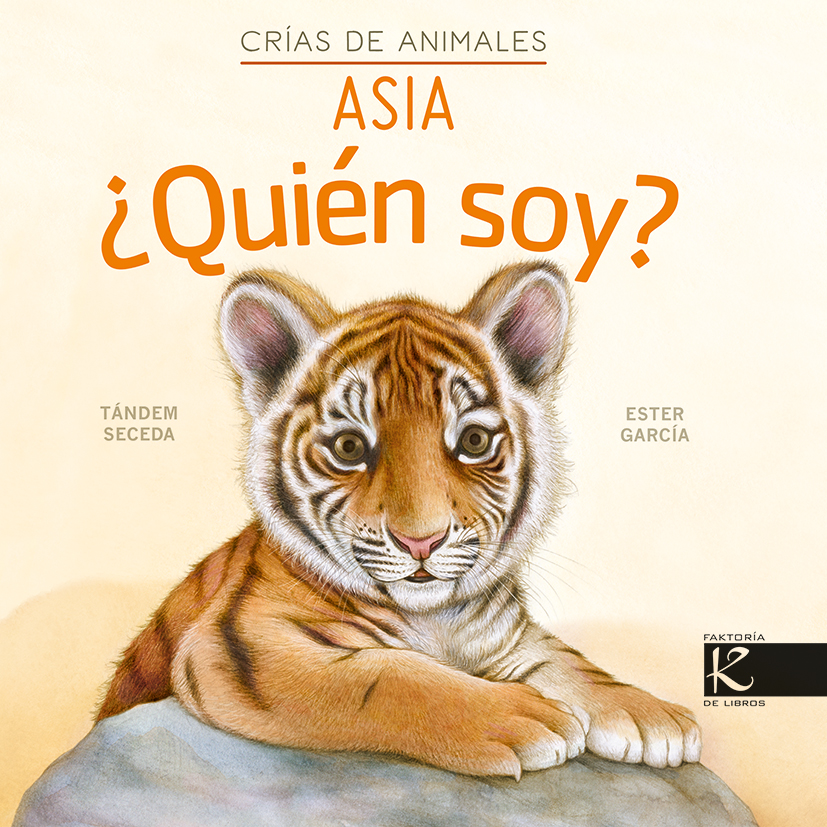
Who Am I? Animal Babies. Asia
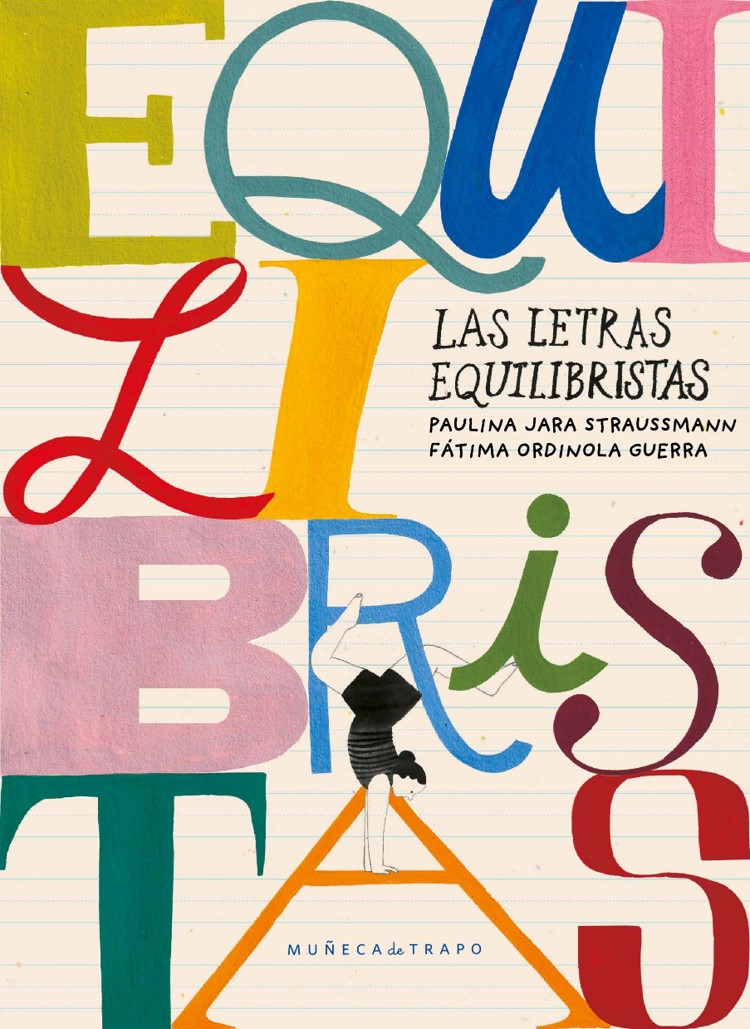
The Balancing Act
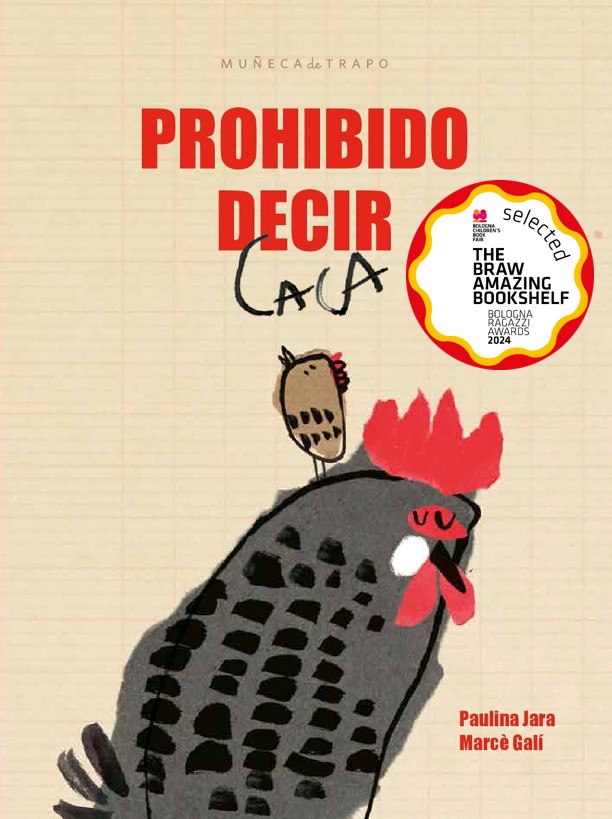
Forbidden to Say Poop
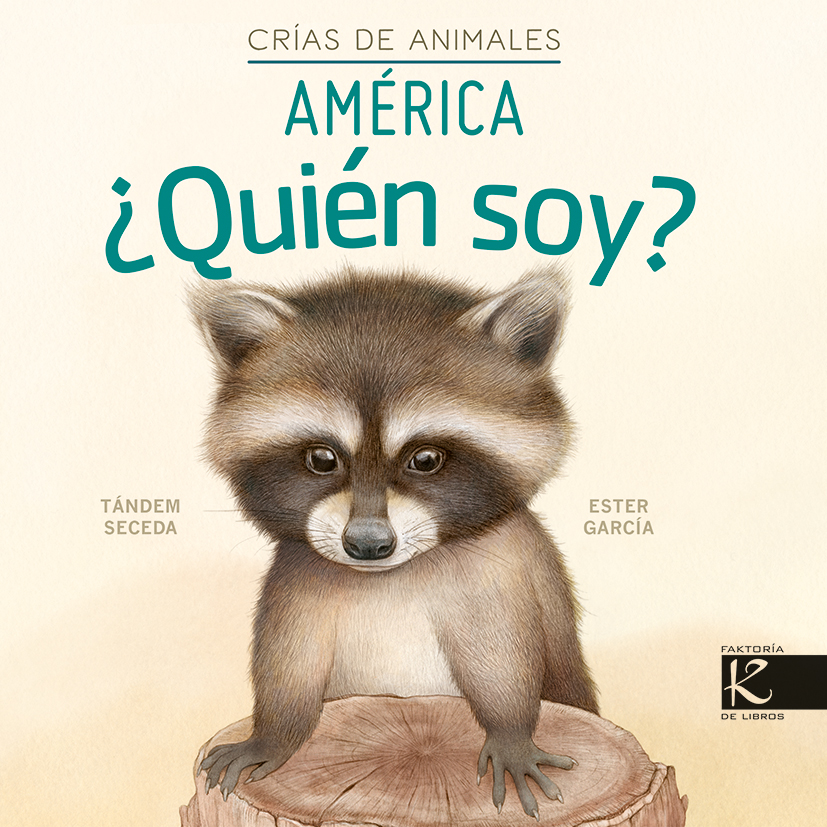
Who Am I? Animal Babies. America
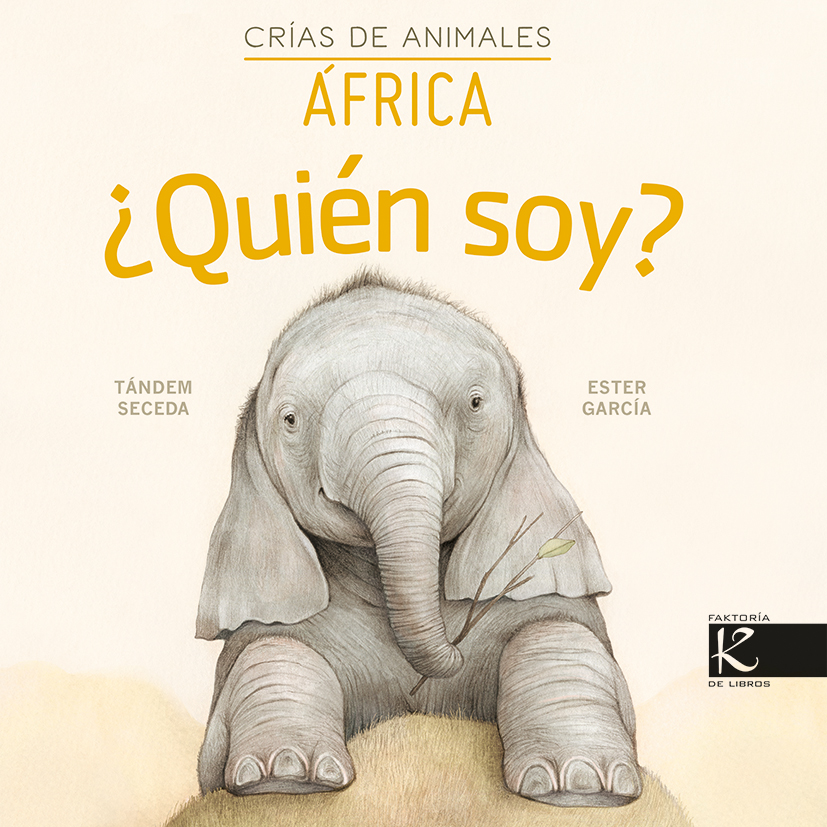
Who Am I? Animal Babies. Africa
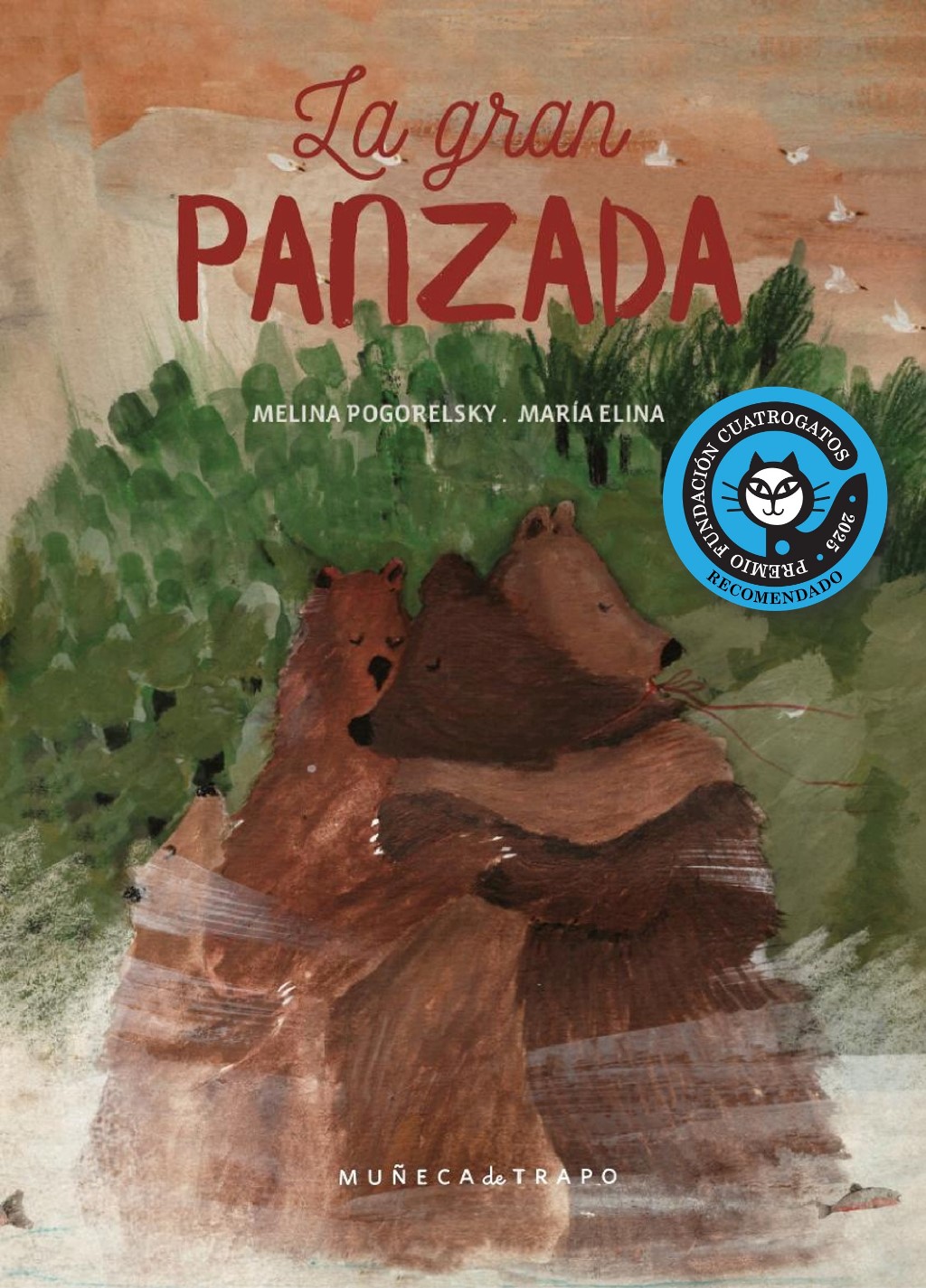
The Great Feast
Calfucoy. With the Land Under my Feet
My Home is an Enchanted Forest
The Moon Has a Mole!
Icarus
Blue Happiness
Littlenesses
In the Heart of the River
My Grandma
Peach Pit
In my Neighbourhood
Antonella

Animal Dream
A Lost Penguin
Charlotte
The Visit
At a Tortoise's Pace
A Great Day of Fishing
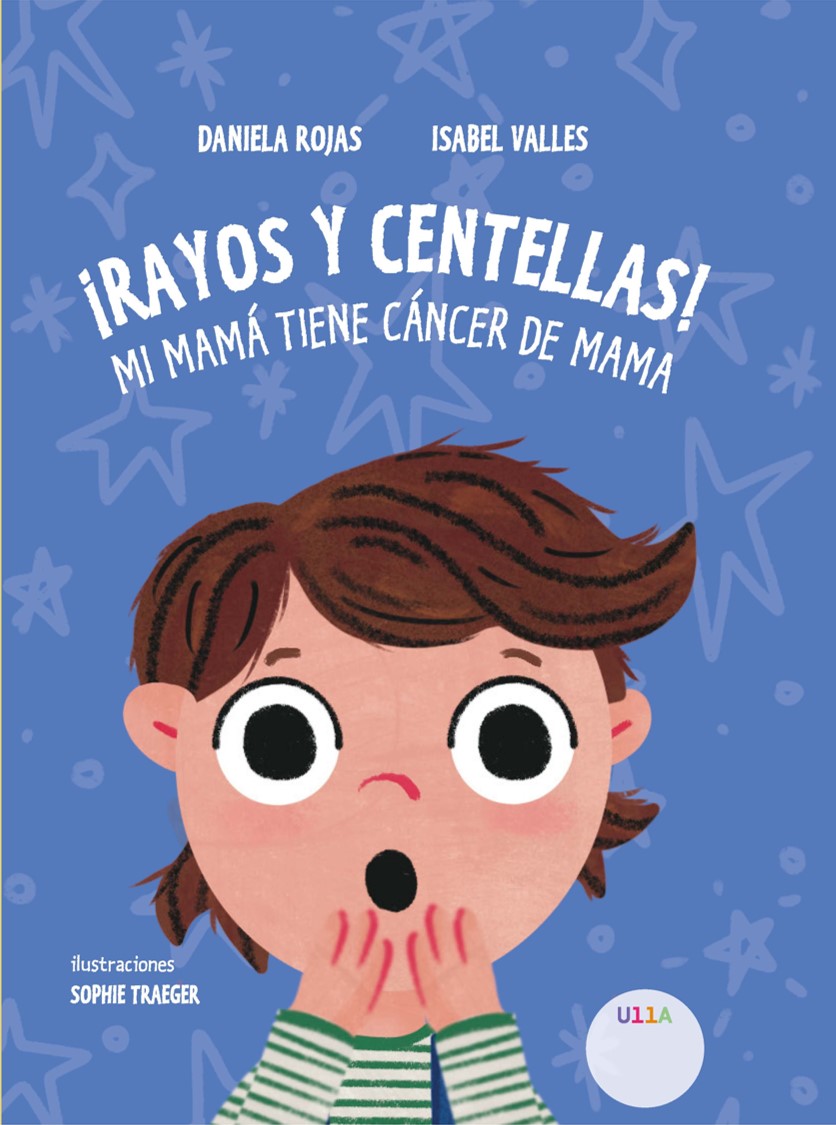
Golly! My Mom has Breast Cancer